Follow Me On Social Media!

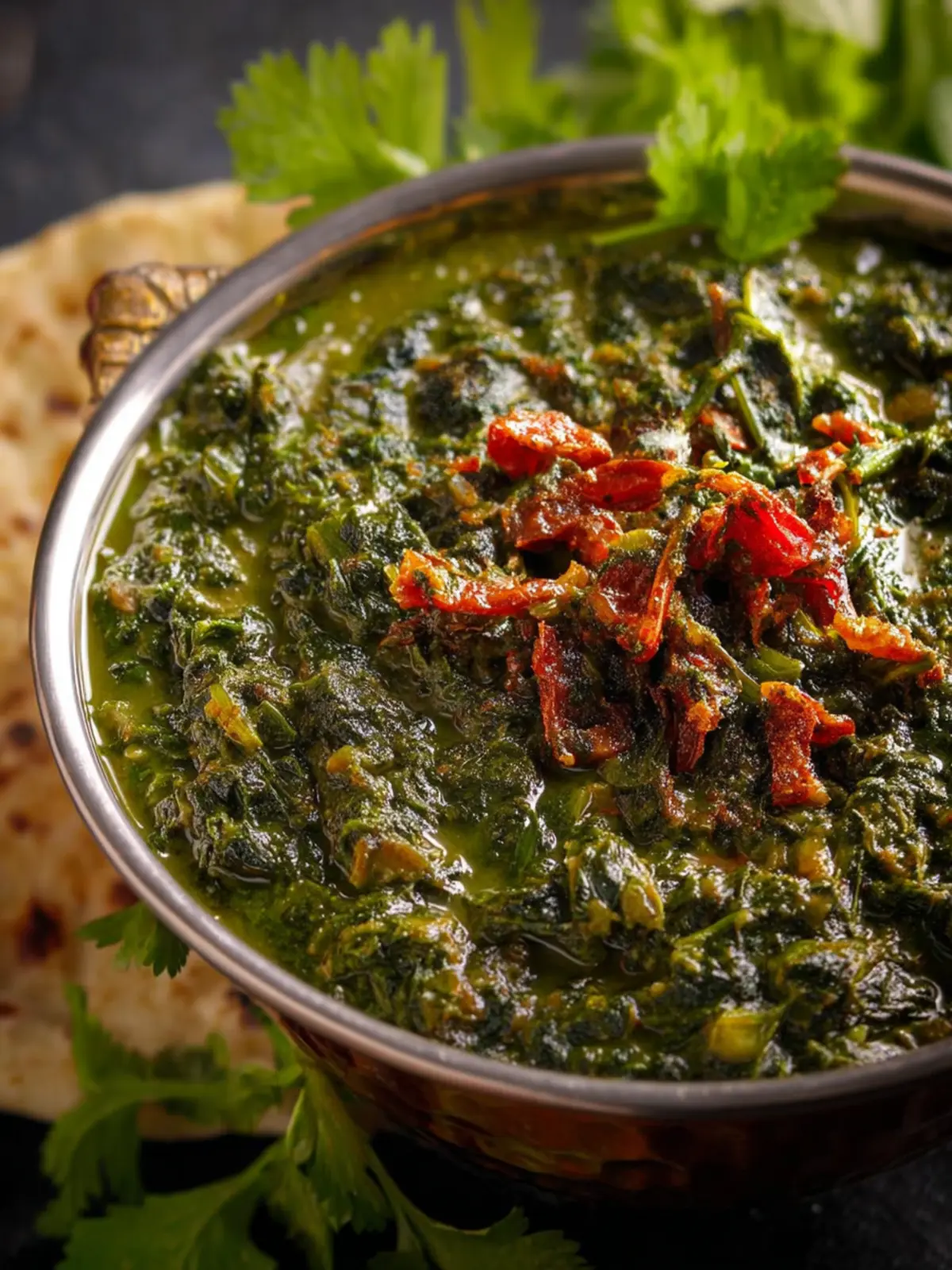
Sarson Ka Saag Recipe: Easy, Creamy Comfort You’ll Crave

Introduction to Sarson Ka Saag Recipe
The Sarson Ka Saag recipe is more than just a dish; it’s a comforting hug of flavors that captures the essence of North Indian winters. Imagine walking through frosty fields, where mustard greens flourish under the bright sun, and you can almost smell the earthy aroma wafting through the air. That’s the experience encapsulated in every bite of Sarson Ka Saag. Originating from Punjab, this dish brings together a medley of seasonal greens, primarily mustard leaves, cooked to perfection with spices that embrace the warmth of the season.
What makes Sarson Ka Saag so special?
This dish stands out not just for its rich, hearty flavor, but also for its cultural significance. In the Punjabi tradition, Sarson Ka Saag is often paired with makki di roti, a cornbread that beautifully complements the saag’s earthy notes. The celebration of winter farming with these ingredients allows families to bond over meals that are both nourishing and satisfying.
Moreover, Sarson Ka Saag carries a treasure trove of health benefits. Mustard greens are loaded with vitamins A and K, as well as iron and calcium, making it an ideal choice for those looking to boost their immune system during the chilly months. Additionally, the dish’s preparation showcases the use of traditional cooking methods, often involving slow cooking that enhances the flavors and textures, making each meal an experience to savor.
As modern chefs and home cooks embark on this culinary journey, some may wonder how to capture the perfect balance of flavors. The Sarson Ka Saag recipe is versatile, inviting cooks to experiment with variations, but always staying true to its roots. It’s about closing your eyes and tasting the lush green landscape of Punjab, with each spoonful transporting you back to simpler times.
So gear up to dive into the Sarson Ka Saag recipe. Your taste buds are in for a delightful adventure, promising warmth and comfort straight from the heart of India.
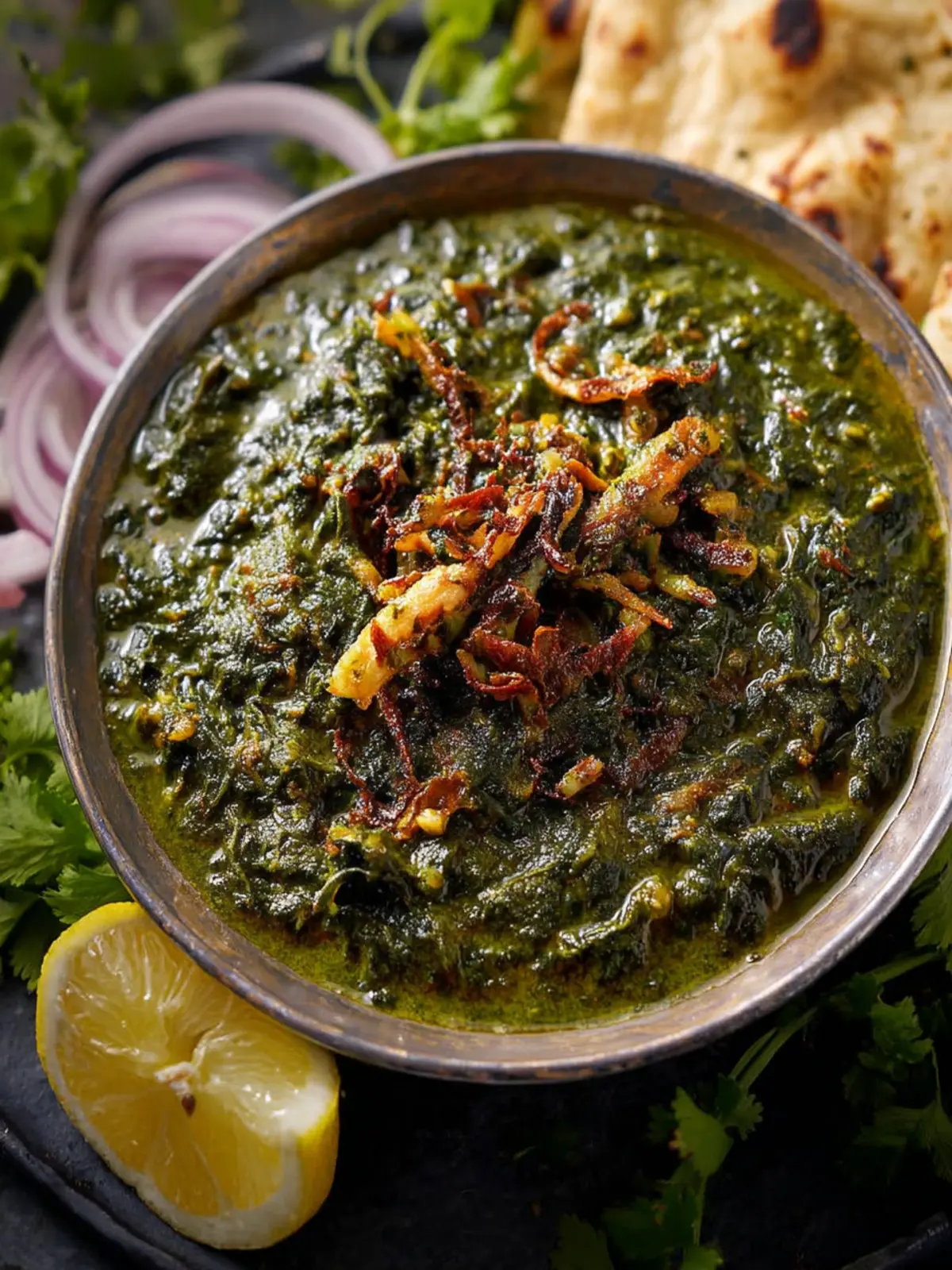
Key Ingredients for Sarson Ka Saag Recipe
Making a delightful Sarson Ka Saag recipe is all about using the right ingredients that bring out the rich flavors of this traditional Punjabi dish. Each component plays a unique role in crafting that wholesome, comforting taste.
-
Mustard Greens: The star ingredient, mustard greens (sarson), are what give this dish its name and bold flavor. Fresh, young leaves are preferred for their tenderness and slightly peppery taste, which is emblematic of sarson ka saag.
-
Spinach: This leafy green complements the mustard greens beautifully. It adds a mild sweetness and a vibrant green color, making the dish not only flavorful but also visually appealing.
-
Bathua (Chenopodium): Often overlooked, bathua enhances the saag’s depth with its unique earthy flavor. This ingredient is integral for authenticity and provides a nutritional boost.
-
Onions: Chopped onions are sautéed to create a rich base, infusing the dish with sweetness and depth.
-
Tomatoes: Fresh tomatoes bring acidity and balance to the dish, enriching the overall flavor profile.
-
Spices: A blend of spices like cumin, red chili powder, and garam masala adds warmth and complexity, making your Sarson Ka Saag truly irresistible.
Through these carefully chosen ingredients, you’re not just preparing a meal but celebrating a traditional Punjabi experience that warms the heart and satisfies the soul.
Why You’ll Love This Sarson Ka Saag Recipe
Embracing the rich traditions of Indian cuisine, sarson ka saag is a comforting dish that celebrates winter greens and evokes fond memories of family meals around the table. This sarson ka saag recipe is not just easy to prepare; it brings warmth and nostalgia into your kitchen, reminding us of simpler times.
Flavorful and Nutritious
The combination of mustard greens and spinach not only creates a unique flavor profile but also packs a nutritional punch. Mustard greens are known for their high vitamin K and calcium content, making this dish a healthy choice for your weekly menu.
Perfect Pairing
Serve this hearty dish with makki di roti (corn flatbread) for a traditional Punjabi experience. The rustic maize bread pairs beautifully with the creaminess of the sarson ka saag, providing a delightful contrast that keeps you coming back for more.
Easy to Customize
One of the best aspects of this recipe is its versatility. Whether you prefer adding extra spices or tweaking it to suit your palate, this dish can be easily adapted. It’s a canvas for creativity while remaining true to its roots.
Warm Comfort Food
There’s something truly special about enjoying a steaming bowl of sarson ka saag. It’s perfect for chilly evenings or whenever you crave comforting food that warms the soul. Whether it’s a family gathering or simply a cozy dinner at home, this recipe offers a taste of home that everyone can enjoy.
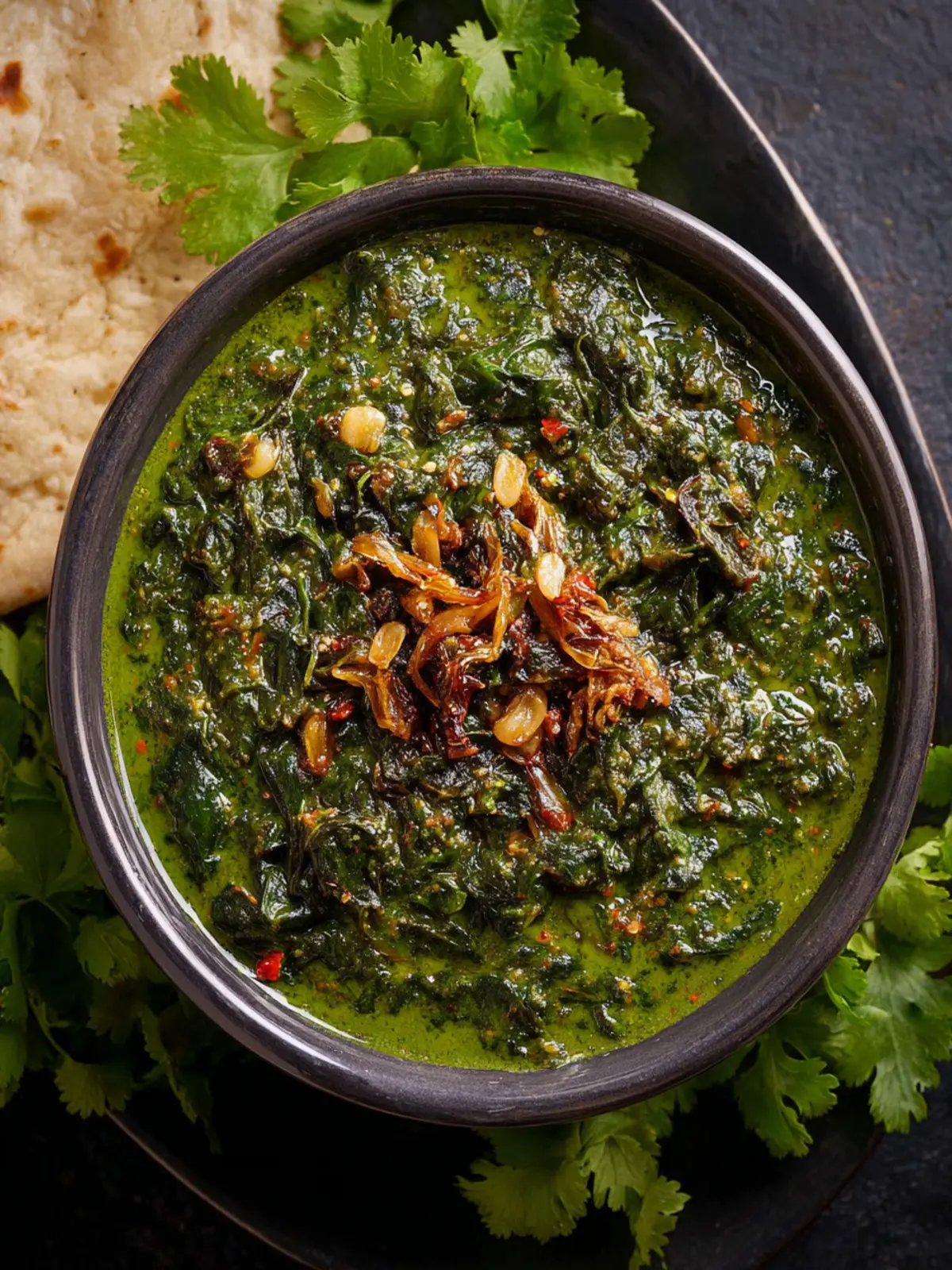
Variations of Sarson Ka Saag Recipe
Discovering the variations of sarson ka saag recipe opens up a world of flavors that enhance this beloved Punjabi dish. While the traditional preparation is celebrated for its rich mustard flavor, experimenting with different ingredients can bring delightful twists to your table.
Classic with Makki Di Roti
The iconic pairing of sarson ka saag with makki di roti is not just food; it’s a cultural experience. The earthy flavor of corn flatbreads complements the saag beautifully. Feel free to spread a dollop of homemade white butter on top for an unbeatable richness.
Spicy Twist with Green Chilies
For those who enjoy a kick, adding chopped green chilies to your sarson ka saag gives it an exciting heat. A quick sauté of onions, garlic, and these chilies before adding the saag will elevate the dish, adding layers of flavor that make each bite unforgettable.
Vegetable Medley
Incorporating a medley of seasonal vegetables can transform your sarson ka saag into a hearty, wholesome meal. Think spinach, fenugreek, or even finely chopped carrots and peas. This not only boosts nutritional value but also adds a splash of color that appeals visually.
With Creamy Yogurt
If you prefer a richer texture, stirring in some creamy yogurt or a splash of cream makes the sarson ka saag ultra-smooth and indulgent. This variation pairs perfectly with steamed basmati rice or soft naan for a comforting meal.
Experimenting with these variations can make your sarson ka saag recipe uniquely yours, giving you the chance to enjoy this traditional dish in multiple delicious ways. Whether you’re staying true to its roots or venturing into new territories, the heart of Punjabi cuisine is always ready for a flavorful journey!
Cooking Tips and Notes for Sarson Ka Saag Recipe
When it comes to making the perfect Sarson Ka Saag recipe, mastering a few cooking tips can elevate your dish from good to unforgettable. Drawing from my kitchen adventures, I’ve learned a few essential tricks that not only enhance flavor but also make the cooking process more enjoyable.
Choosing the Right Greens
Opt for fresh mustard greens, as they provide a robust flavor that defines this dish. No fresh mustard greens? You can combine them with other greens like spinach or bathua (chenopodium) for a balanced flavor. Always wash your greens thoroughly to remove any grit or dirt, ensuring a clean bite.
Cooking Process
After assembling your greens for Sarson Ka Saag, the cooking method is crucial. You’ll want to boil the greens to soften them before blending. A common mistake is overcooking them; just enough time to wilt and retain their vibrant green color is ideal.
Spicing it Up
Don’t underestimate the power of spices. A combination of ginger, garlic, and green chilies brings out the deep flavors. For an authentic taste, you can also add a pinch of garam masala toward the end of cooking — just a dash can elevate your Sarson Ka Saag to another level.
Finishing Touches
Adding a lavish dollop of ghee right before serving gives it a rich, creamy texture. If you’re looking for that extra depth, consider garnishing with finely chopped onions and a sprinkle of fresh coriander.
Enjoying the Dish
Serve your Sarson Ka Saag hot with makki di roti (corn flatbread) and a side of jaggery for a traditional touch. Sharing this culinary experience with friends or family creates unforgettable memories around the table. Cooking is not just about following recipes; it’s about creating stories through food. Happy cooking!
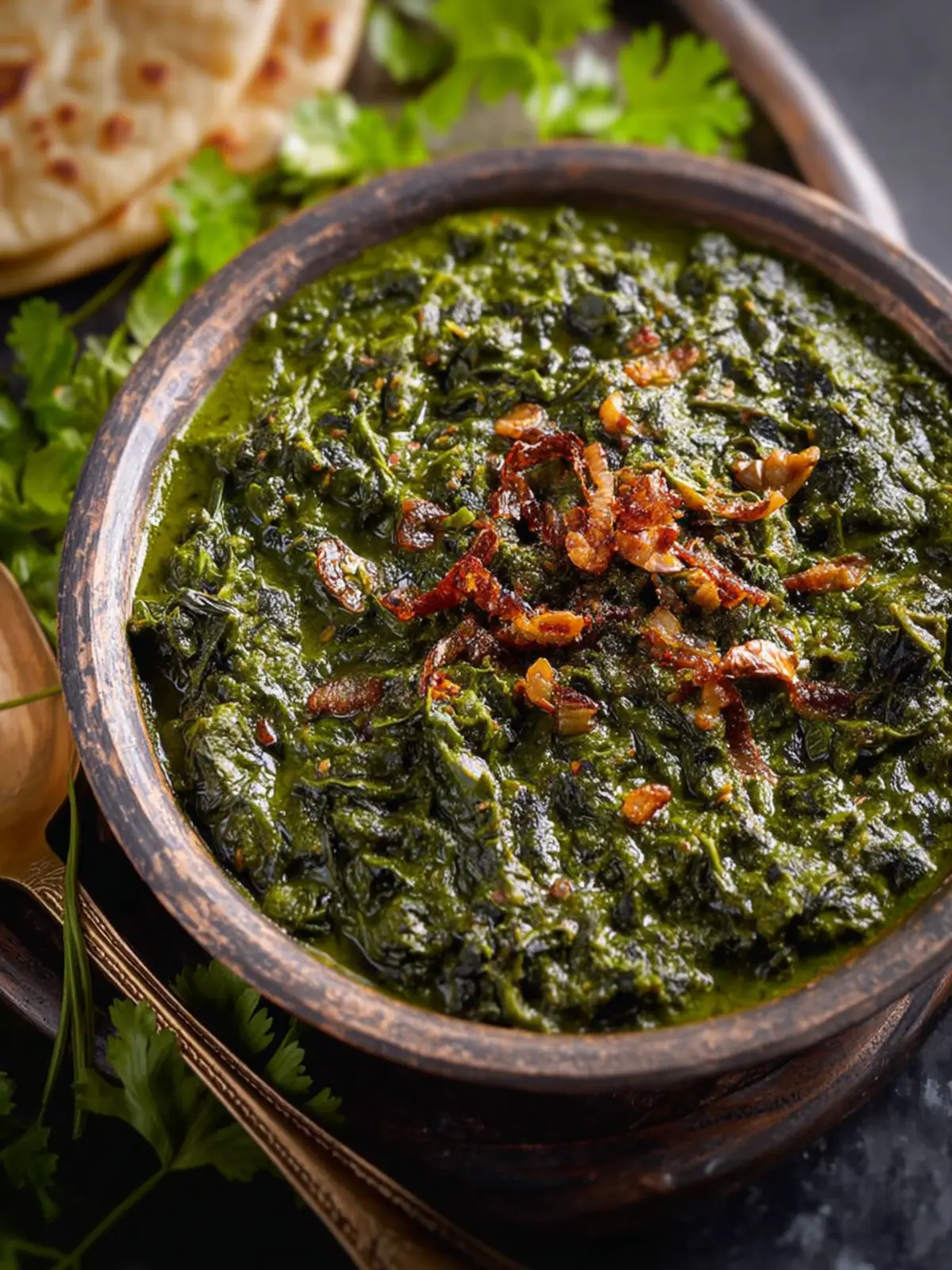
Serving Suggestions for Sarson Ka Saag Recipe
Creating a rich bowl of sarson ka saag is just the beginning of your culinary adventure; it’s time to elevate this classic dish with some perfect accompaniments.
Ideal Pairings
When enjoying your sarson ka saag recipe, consider these delightful pairings:
- Makke di Roti: Cornmeal flatbreads are the traditional companion for sarson ka saag, providing a lovely texture contrast and sweetness that perfectly complements the dish’s earthy flavors.
- Onions: Raw or lightly pickled onions add a crunchy freshness that brightens each bite. They cut through the richness of the saag, making for a balanced meal.
- Ghee: A dollop of warm ghee drizzled on top enriches the saag and gives it that quintessential Punjabi touch that many of us can’t resist.
Each of these additions contributes to an authentic experience, making your meal a feast for the senses.
Garnishing Tips
To present your sarson ka saag beautifully, consider these garnishing ideas:
- Cilantro: Chopped fresh cilantro adds a vibrant green touch and a hint of citrus, enhancing the visual appeal.
- Red Chili Powder: A sprinkle of this not only adds a pop of color but also introduces a bit of heat, allowing you to customize the spice level.
- Butter: A pat of butter melting on top right before serving adds a luxurious finish and enticing aroma to your dish.
Incorporating these serving suggestions will not only enhance the taste of your sarson ka saag recipe but also create a delightful dining experience that friends and family will love.
Time Breakdown for Sarson Ka Saag Recipe
Preparation Time
Getting ready for your sarson ka saag recipe is a breeze. You’ll need about 15–20 minutes to wash and chop the mustard greens and other ingredients. The vibrant color of the greens will spark your appetite!
Cooking Time
Once prepped, it’s time to cook! The actual cooking will take about 40 minutes. You’ll enjoy the delightful aromas wafting through your kitchen as the greens simmer.
Total Time
In total, plan for around 55–60 minutes from start to finish. This includes both prep and cooking time, making it a relatively quick yet fulfilling dish to prepare for family or friends!
Nutritional Facts for Sarson Ka Saag Recipe
In embracing the rich flavors of Sarson Ka Saag, it’s rewarding to know that this traditional dish not only pleases the palate but also offers a variety of nutrients.
Calories
A generous serving of Sarson Ka Saag typically contains around 200 calories, making it a wholesome choice for any meal without overwhelming your daily caloric intake.
Protein Content
This dish is quite beneficial in the protein department, providing approximately 7 grams of protein per serving, thanks to its leafy greens and any added dairy like makhhan (butter) or paneer.
Carbohydrates
With around 15 grams of carbohydrates, Sarson Ka Saag serves as a moderate source of energy, primarily coming from fiber-rich greens, giving you sustained vitality throughout the day.
FAQ about Sarson Ka Saag Recipe
When the chill of winter sets in, nothing warms you quite like a steaming bowl of Sarson Ka Saag. This traditional Punjabi dish, made from mustard greens, isn’t just food—it’s an experience that connects you to a rich cultural heritage. Let’s dive into some frequently asked questions about this beloved recipe.
Can I make Sarson Ka Saag ahead of time?
Absolutely! One of the best things about Sarson Ka Saag is that it actually tastes even better the next day. Preparing it ahead of time allows the flavors to meld beautifully. Just store it in an airtight container in the refrigerator for up to 3 days. When you’re ready to enjoy it again, reheat gently on the stove, adding a splash of water or a little ghee to keep it creamy.
What are the best sides to serve with Sarson Ka Saag?
Sarson Ka Saag is traditionally served with Makki Di Roti (cornflat bread) and a dollop of white butter or ghee. Other great sides to elevate your meal include:
- Onions: Raw or pickled, they add a refreshing crunch.
- Butter Chicken: For a hearty feast, this classic pairs well.
- Rice: Steamed basmati rice offers a delightful contrast.
How can I adjust the spice level?
Want to control the heat? It’s easier than you think! The key is in the spices used. For a mild flavor, reduce the amount of green chilies or opt for sweeter varieties. If you crave more heat, feel free to add extra green chilies or a pinch of red chili powder. Remember, you can always taste and adjust as you go—cooking is all about finding that perfect balance!
Conclusion on Sarson Ka Saag Recipe
Creating the perfect sarson ka saag recipe transcends just following instructions; it’s about embracing a culinary tradition that warms the heart. With its earthy flavors and vibrant colors, this dish brings a touch of Punjab into your kitchen. Whether you serve it with fresh makki di roti or enjoy it as a standalone meal, the experience is delightful. As you savor each bite, let it remind you of chilly winter nights and family gatherings. Don’t hesitate to make this recipe your own by experimenting with added spices or other greens. Happy cooking!
Print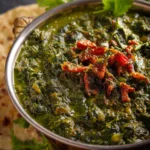
Saag
- Total Time: 45 minutes
- Yield: 4 servings 1x
- Diet: Vegetarian
Description
A delicious and nutritious dish made with a variety of greens, perfect to serve with makke ki roti.
Ingredients
Scale
- 200 grams mustard greens (sarson)
- 35 grams spinach (palak)
- 35 grams radish greens (mooli ke patte) (or collard greens)
- 35 grams chenopodium (bathua) (optional)
- 35 grams fenugreek leaves (methi)
- 1 cup chopped tomatoes
- 1 cup chopped onions
- ¼ cup chopped radish (or turnip)
- 1 inch chopped ginger
- 8–10 cloves chopped garlic
- 2–3 chopped green chilies
- 1 teaspoon red chili powder
- ¼ teaspoon asafetida (hing)
- 1 teaspoon salt (or to taste)
- 2 tablespoons corn meal (makki ka atta)
- 2 tablespoons clarified butter (ghee)
- ¼ cup finely chopped onions
- 3–4 cloves peeled and smashed garlic
Instructions
- Wash the greens thoroughly 2-3 times with water to get rid of any mud in them.
- Drain well.
- Add the washed greens to a large pressure cooker. Press the greens so that they fit in the cooker. They will be reduced drastically in volume once cooked. Since we will be blending the greens in a blender later, you don’t have to chop them.
- Add tomatoes, onions, ginger, garlic, radish, chilies, salt, and 1 cup of water to the cooker.
- Close the lid of the cooker and pressure cook for one whistle on high heat.
- Remove the pressure cooker from heat and let the pressure release naturally.
- Once the pressure is released, open the lid of the cooker. Let the greens cool down slightly.
- Transfer the cooked and cooled greens to the large jar of a blender along with the leftover water.
- Blend to make a coarse paste (I like my saag a little coarse. If you like it smooth, blend the greens until smooth).
- Transfer the paste to the same pressure cooker or another pan.
- Dissolve makki ka atta (maize flour) in ½ cup water and add it to the cooker.
- Add red chili powder and asafetida and mix well.
- Cook for 5-6 minutes on medium heat.
- If the saag is thick for your liking, then add some water to it and cook for a minute. If it’s too thin, then cook it for 5-6 minutes until the consistency is right.
- Check for salt and add more if required.
- Heat ghee in a small pan over medium heat.
- Once the ghee is hot, add onions and garlic and fry till golden brown. Keep stirring while frying.
- Pour the tadka over the saag and mix well. Serve hot with makke ki roti, jaggery, and white butter.
- Tip – Save some tempering to garnish the saag.
Notes
- Wash greens thoroughly to avoid any mud residue.
- Adjust the consistency of saag as per personal preference.
- Serve with traditional Indian breads for an authentic experience.
- Prep Time: 15 minutes
- Cook Time: 30 minutes
- Category: Main Dish
- Method: Pressure Cooking
- Cuisine: Indian
Nutrition
- Serving Size: 1 cup
- Calories: 250
- Sugar: 3g
- Sodium: 500mg
- Fat: 15g
- Saturated Fat: 7g
- Unsaturated Fat: 8g
- Trans Fat: 0g
- Carbohydrates: 30g
- Fiber: 10g
- Protein: 8g
- Cholesterol: 0mg