Follow Me On Social Media!


Nourishing Ozoni: The Best Irresistible Japanese Mochi Soup

Introduction to Nourishing Ozoni: Irresistible Japanese Mochi Soup Recipe
In the gentle embrace of a cold day, there’s nothing quite as heartwarming as a bowl of nourishing Ozoni. Originating from Japanese traditions, this mochi soup has a way of wrapping you in warmth and comfort. Picture this: you’re settling into a cozy evening, and with every soothing spoonful of this soup, you taste a piece of history, culture, and love—a perfect blend that’s not only satisfying for the body but also for the soul.
The beauty of Ozoni lies in its simplicity and the myriad of ingredients that come together to create something magical. It’s a dish often made during New Year celebrations, but there’s no need to wait for a special occasion to enjoy its delightful flavors. It’s not just a meal; it’s a way to bring family together. As you prepare this wonderful dish, imagine gathering around the table, sharing stories, and tasting the love that’s infused into each bite.
What Makes Ozoni So Comforting and Delicious?
At the heart of this recipe is the nourishing Ozoni broth, which is typically crafted from a delicate combination of dashi (a Japanese stock), soy sauce, and a hint of mirin. This balance of salty and umami notes creates a broth that is both light and deeply flavorful. As you sip it, you’ll find yourself feeling nourished, much like the love from a warm hug.
-
Mochi: The highlight of the dish is undoubtedly the mochi. Soft and chewy, these rice cakes engage your palate delightfully. They are filled with good carbs to energize your spirit.
-
Veggies: With seasonal vegetables like daikon radish, carrots, and spinach tossed in, each spoonful offers a fresh crunch that complements the softness of the mochi.
-
Protein: Whether you choose to add chicken, fish, or tofu, the protein rounds out the dish, making it not just comforting but also a complete meal.
As you dive into making your nourishing Ozoni, let each ingredient guide you in creating a stew that reflects your unique taste and comfort. It’s more than just a recipe—it’s an invitation to gather, nourish, and connect over a bowl of goodness.
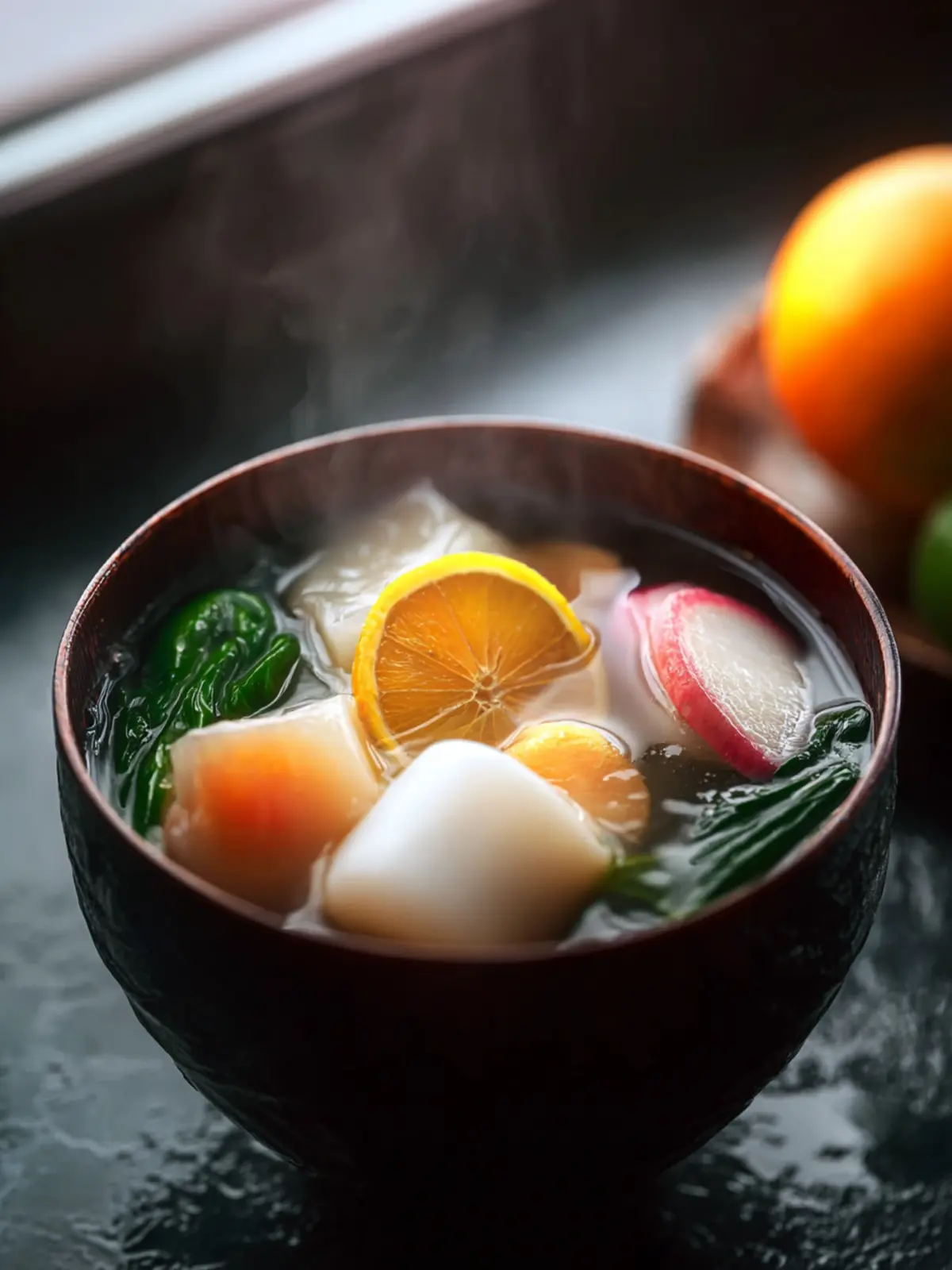
Key Ingredients for Nourishing Ozoni
Ozoni, a traditional Japanese soup, is not just a dish; it’s a warm embrace on a cold day. The array of ingredients used in this Nourishing Ozoni tells a story of comfort, culture, and culinary delight that’s hard to resist.
Dashi: It all starts with the base. A good dashi is essential for a flavorful ozoni. I prefer using a combination of kombu (dried kelp) and bonito flakes to achieve that umami-rich flavor that lingers on the palate. Store-bought dashi works in a pinch, but homemade is where the magic happens.
Mochi: This chewy delight is the star of the show. Opt for freshly made mochi if you can find it, as it adds an unmatched texture and flavor. When the mochi is added to the hot soup, it transforms, offering a delightful heartiness that’s intrinsically comforting.
Ingredients from Nature: Use seasonal vegetables like daikon radish, carrots, and shiitake mushrooms. They not only add sweetness and earthiness but also infuse the soup with vibrant colors that are so appealing. Choosing fresh, local produce elevates the dish to new heights.
Protein: Add proteins such as chicken or shrimp for a wholesome touch. They contribute flavor and make the soup more filling.
Each of these components harmonizes to create the perfect bowl of Nourishing Ozoni, inviting not just nourishment, but a journey through tradition and taste.
Why You’ll Love This Ozoni
Nourishing ozoni isn’t just a meal; it’s a comforting tradition that brings family and friends together. Picture a chilly winter evening, the aroma of simmering broth wafting through your home, as you gather around the table to enjoy a bowl of this heartwarming soup. Each spoonful is like a hug in a bowl, filled with rich flavors and a variety of textures that will transport you straight to Japan.
This ozoni recipe features mochi, a delightful rice cake that adds a unique chewiness, making every bite an adventure. The mix of fresh vegetables and fragrant dashi broth creates a base that’s both nutritious and delicious. You might even discover that preparing it becomes a cherished ritual during the colder months, much like how many families share their holiday traditions.
Here are a few reasons to love your nourishing ozoni:
- Versatility: You can easily customize the ingredients based on what you have on hand or prefer.
- Health Benefits: Packed with vitamins and minerals from the vegetables, this soup is a nourishing choice during flu season.
- Quick Preparation: With just a few simple steps, you’ll have a delicious, steaming bowl ready in no time.
Let this ozoni become a staple in your kitchen, and experience the joy of preparing and sharing this extraordinary dish with loved ones.
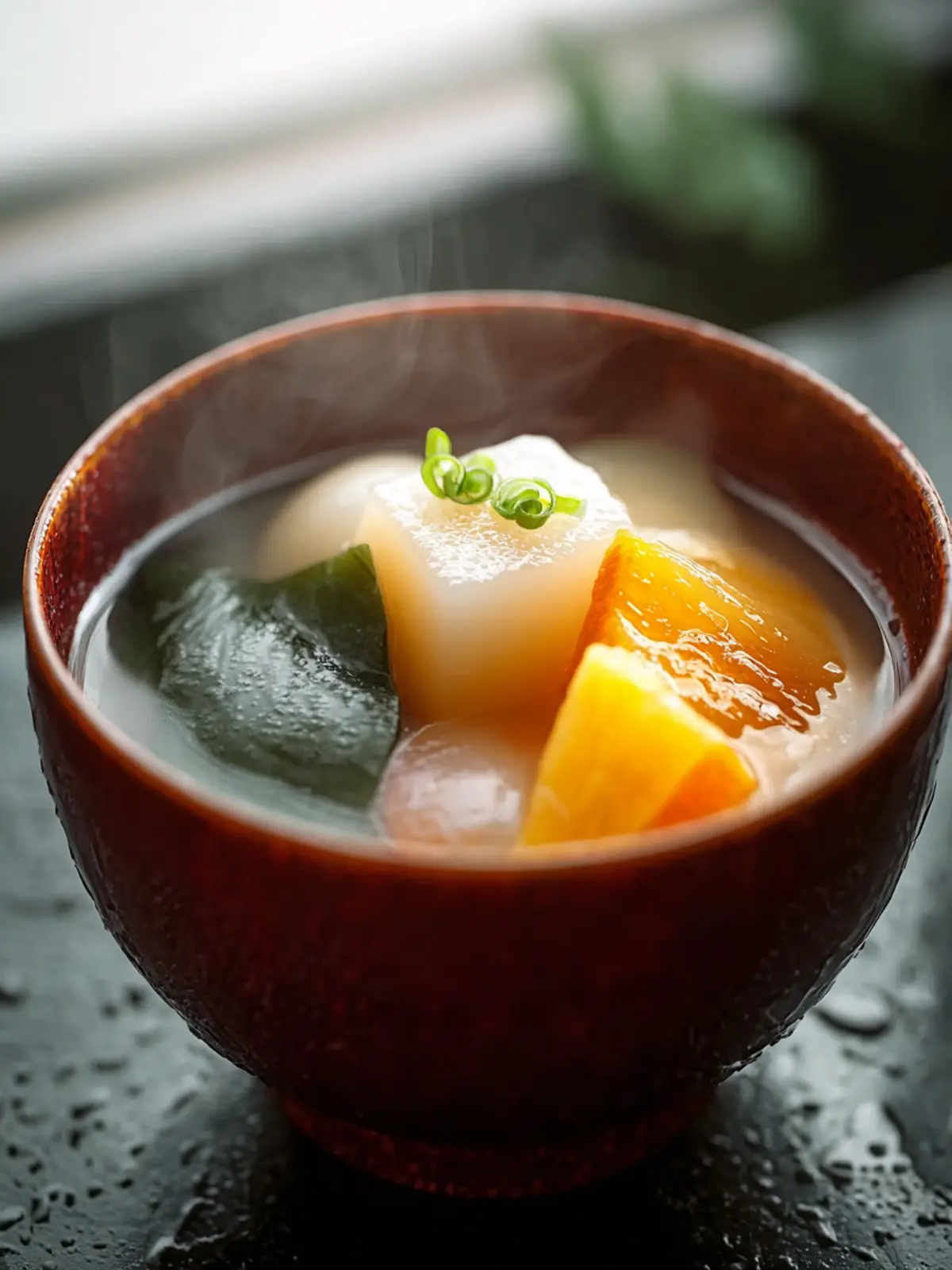
Variations of Ozoni
Nourishing Ozoni is a delightful dish that celebrates the uniqueness of regional Japanese cuisine, and its variations are a testament to the creativity of home cooks. While the traditional version often features mochi, broth, and seasonal vegetables, feel free to explore these fun twists:
-
Seafood Twist: In coastal regions, it’s common to include seafood like shrimp or fish. This variation enhances the umami flavor of the broth, making it an exquisite experience for your taste buds.
-
Vegetarian Delight: For a plant-based alternative, replace dashi broth with kombu (seaweed) broth and load your soup with seasonal vegetables like daikon radish, carrots, and mushrooms. This nourishing option still encapsulates the essence of traditional Ozoni.
-
Spicy Kick: If you crave a bit of heat, add a dollop of chili paste or a sprinkle of shichimi togarashi. The spice elevates the dish, surprising your palate while maintaining the comforting core of Nourishing Ozoni.
Each of these variations offers a unique twist, allowing you to make this soup your own while retaining its heritage.
Cooking Tips and Notes
Making the Most of Your Nourishing Ozoni
To create the perfect bowl of Nourishing Ozoni, it helps to keep a few tips in mind that elevate both flavor and texture.
-
Choose Quality Ingredients: The fresh mochi is the star of this soup. If you can, use freshly made mochi rather than pre-packaged. This makes a significant difference in the taste and texture, resulting in that lovely chewy bite.
-
Customize Your Broth: A robust dashi broth is key. Make your dashi at home if you can, as it adds flavor depth that store-bought options often lack. Don’t be afraid to tweak the umami elements with additional kelp or bonito flakes to suit your taste.
-
Vegetable Variety: Ozoni is a versatile dish! Feel free to mix in seasonal vegetables you love or have on hand, like daikon radish or spinach. This not only enhances flavor but also boosts the nutritional value.
-
Mochi Preparation: To achieve the perfect texture, lightly grill the mochi before adding it to the soup. This gives it a delightful crispiness and prevents it from becoming too mushy when submerged in the broth.
Remember, this dish is all about tradition and comfort, so enjoy the process and make it your own!
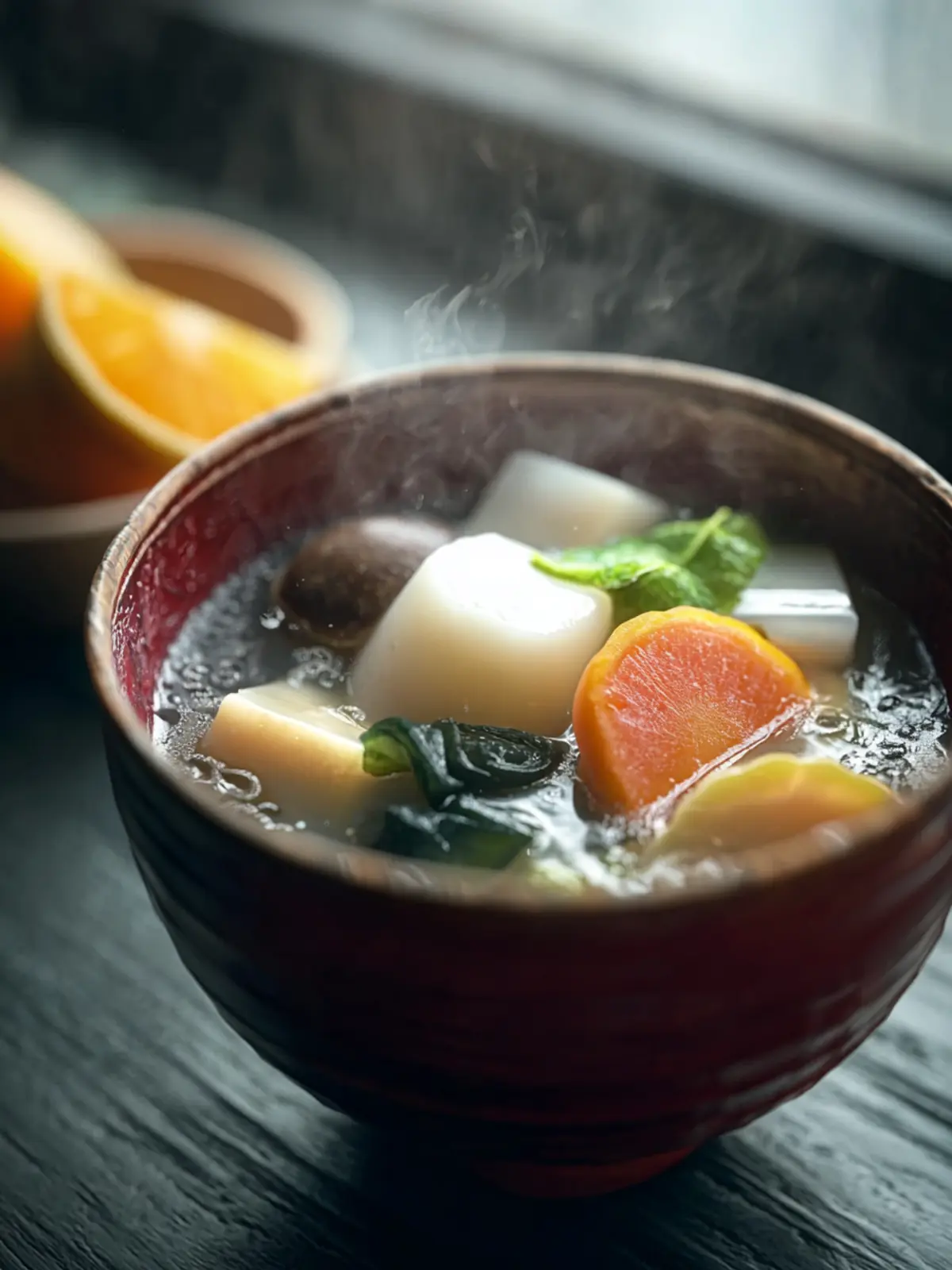
Serving Suggestions for Ozoni
Creating a warming bowl of Nourishing Ozoni is just the first step in enjoying this classic Japanese soup. To elevate your Ozoni experience, consider these delightful serving suggestions.
Pair it with Seasonal Sides
Ozoni can shine alongside a variety of sides:
- Pickled Vegetables: These bright and tangy accompaniments balance the rich flavors of the broth.
- Rice Balls (Onigiri): Their comforting texture complements the soup, making for a satisfying meal.
- Sautéed Greens: A side of lightly cooked bok choy or spinach offers a nutritious crunch that rounds out your plate.
Explore Variations
Feel free to customize your Nourishing Ozoni with different proteins:
- Chicken or Tofu: If you prefer a heartier option, adding shredded chicken or cubed tofu can enhance the dish’s nutritional profile.
- Seafood: Shrimp or fish can add a delightful seafood twist, especially for festive occasions.
Enjoy it With Friends
Ozoni is not just a meal; it’s a communal experience. Serve it as a starter at your next dinner party, inviting friends to share their own variations and memories. This way, you create a space for storytelling and connection over a warm bowl of soup, making your dining experience much more nourishing in every sense.
Time Breakdown for Making Ozoni
Creating a bowl of nourishing Ozoni is a delightful experience filled with tradition and flavor. Understanding the time needed for each step can make the process even smoother and more enjoyable.
Preparation Time
Start with about 20 minutes for prepping the ingredients. This involves chopping vegetables, slicing the fish, and preparing the mochi. The more organized you are, the quicker this part will be!
Cooking Time
Once everything is ready, cooking it all together will take roughly 30 minutes. This phase includes simmering the broth, cooking the vegetables, and warming the mochi to perfection.
Total Time
In total, you’re looking at about 50 minutes from start to finish. With just under an hour, you’ll have a warming, nourishing Ozoni ready for you to enjoy!
Nutritional Facts for Ozoni
When preparing Nourishing Ozoni, it’s essential to understand its nutritional profile, especially as this delightful Japanese mochi soup is both comforting and wholesome.
Calories
A standard serving of Ozoni typically contains around 150-200 calories. This makes it a light yet filling option for a meal, perfect for those cold days when you want something warm and satisfying.
Protein
Ozoni is a great source of protein, with about 7-10 grams per serving. The mochi, combined with protein-rich toppings like chicken or fish, ensures you’re getting a good dose of this essential nutrient.
Fiber
Each serving contains approximately 2-3 grams of fiber, thanks to the vegetables and mochi. Incorporating these ingredients helps promote good digestion and keeps you feeling full longer.
Sodium
While Ozoni is flavorful, it can be high in sodium, with around 800-1000 mg per serving, depending on the amount of soy sauce used. It’s always wise to adjust seasonings to suit your taste and health needs.
By keeping these nutritional facts in mind, you can enjoy Nourishing Ozoni while maintaining a balanced diet!
FAQs about Ozoni
When diving into the world of Nourishing Ozoni, many questions arise, especially for those new to this comforting Japanese mochi soup. Let’s tackle some of the most frequently asked questions to help you enjoy this delightful dish even more.
Can I make Ozoni vegetarian or vegan?
Absolutely! Crafting a Nourishing Ozoni that aligns with vegetarian or vegan diets is entirely possible. Swap out the traditional dashi (fish broth) for a simple vegetable broth for that umami flavor. You can also replace any fish or meat ingredients with seasonal vegetables like mushrooms, carrots, or tofu, making this dish just as flavorful and satisfying.
How should I store leftover Ozoni?
Storing leftover Ozoni is straightforward. Allow it to cool to room temperature, then transfer it to an airtight container. You can keep it in the refrigerator for up to three days. If you have leftover mochi, enjoy it within a day or two for the best texture. Reheat gently on the stove, adding a splash of water if needed to restore its brothiness.
Can this soup be made ahead of time?
Yes, making a Nourishing Ozoni ahead of time is a great option! The flavors actually deepen as the soup sits, making it even more delicious the next day. Just be cautious with the mochi, as it can become too soft if left in the broth for too long. Consider adding it just before serving to maintain that perfect chewy texture.
Is Ozoni only for New Year’s celebrations?
While Ozoni is traditionally enjoyed during Japanese New Year celebrations, there’s no rule stating you can’t savor it year-round. This soup is versatile and can be enjoyed on chilly days or whenever you’re craving something comforting and wholesome. So feel free to indulge anytime!
Conclusion on Nourishing Ozoni
In wrapping up our vibrant excursion into Nourishing Ozoni, it’s clear that this traditional Japanese mochi soup is more than just a meal—it’s an experience. Each bowl delivers warmth and comfort, resonating with the spirit of togetherness. Whether you’re enjoying this dish during New Year’s celebrations or casually on a chilly evening, the distinct flavors of fresh vegetables, silky mochi, and rich dashi offer a delightful culinary journey.
Don’t hesitate to adapt the ingredients for your palate, and remember that sharing this soup with loved ones amplifies its nourishing qualities. Embrace the essence of Nourishing Ozoni in your kitchen and indulge in a bowl of rich tradition!
Print
Japanese Chicken Soup with Dashi
- Total Time: 1 hour
- Yield: 4 servings 1x
- Diet: Gluten-Free
Description
A comforting Japanese chicken soup made with dashi, chicken, and a variety of ingredients.
Ingredients
Scale
- 4 cups Dashi (Or dashi powder mixed with hot water)
- 2 tablespoons Soy Sauce (Tamari is gluten-free)
- 1 tablespoon Sake (Optional; omit for non-alcoholic)
- 1 pound Chicken Thigh (Can substitute with chicken breast)
- 4 slices Kamaboko (Japanese fishcake) (Tofu for vegetarian option)
- 1 cup Shiitake Mushrooms (Button or cremini mushrooms also work)
- 1 medium Carrot (Parsnip is a nice alternative)
- 1 cup Daikon (Radish can be used instead)
- 1 bunch Komatsuna (Alternatives: Mizuna or Spinach)
- 4 pieces Kirimochi (Fresh mochi can be used as well)
- 1 tablespoon Mitsuba (Parsley is a substitute if needed)
Instructions
- Start by adding the chicken thighs to a pot of boiling dashi. Cook for about 5 minutes, ensuring it is just cooked through and tender.
- Carefully skim any excess fat from the surface of the soup.
- Pour in the soy sauce and sake (if using) to enhance the flavor of the broth.
- Introduce the shiitake mushrooms, carrots, and daikon into the pot. Bring the mixture back to a boil, then lower the heat and let it simmer for 30 minutes.
- In a separate pot, blanch the komatsuna (or spinach) for 1-2 minutes. Drain, then chop them into 1-inch pieces.
- Preheat a toaster oven to 375°F. Toast the kirimochi for about 10 minutes until puffed and golden brown.
- Gently stir the kamaboko into the simmering soup and heat for another 3-5 minutes.
- To dish up, place some chopped komatsuna at the bottom of bowls, pour the hot soup over, and top with the toasted kirimochi.
- Dig in right away for the best texture.
Notes
- This soup is best enjoyed fresh for optimal texture.
- Adjust ingredients based on dietary preferences.
- Prep Time: 15 minutes
- Cook Time: 45 minutes
- Category: Soup
- Method: Stovetop
- Cuisine: Japanese
Nutrition
- Serving Size: 1 bowl
- Calories: 300
- Sugar: 2g
- Sodium: 800mg
- Fat: 10g
- Saturated Fat: 3g
- Unsaturated Fat: 7g
- Trans Fat: 0g
- Carbohydrates: 35g
- Fiber: 3g
- Protein: 25g
- Cholesterol: 70mg