Follow Me On Social Media!

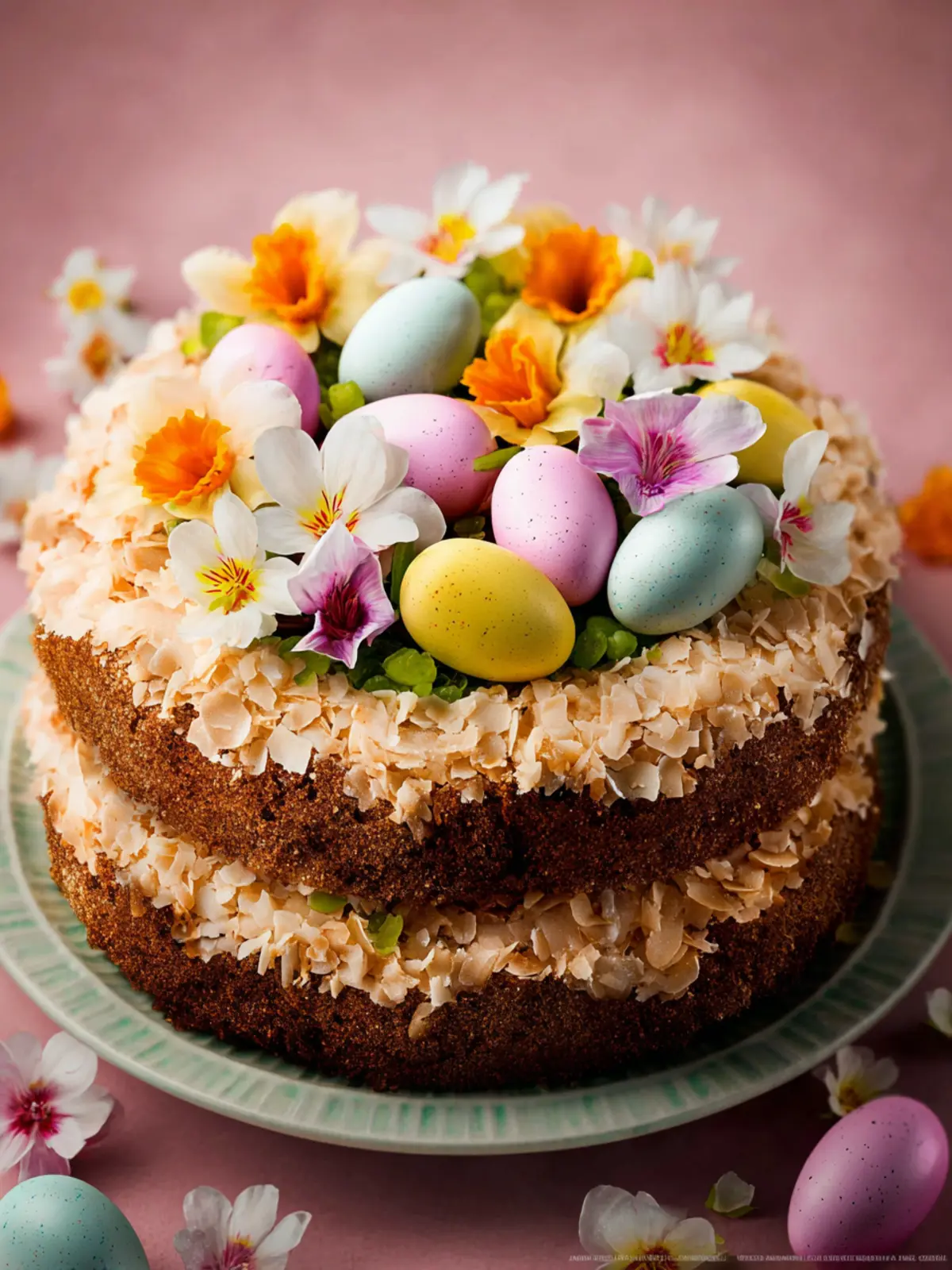
Easter Cake Bliss: Indulge in This Joyful Spring Treat

Introduction to Easter Cake
An Easter Cake brings not just sweetness, but a sense of celebration that perfectly captures the essence of spring. Imagine gathering around the table with family and friends, laughter filling the air as everyone enjoys a slice of this delightful dessert. The vibrant colors of the season seem to find their way into this cake, often adorned with pastel icing, edible flowers, or even chocolate eggs, making it a centerpiece of holiday festivities.
As winter gives way to sunshine and blooming flowers, Easter becomes a time of renewal and joy, and what better way to commemorate it than with a cake that reflects this spirit? The tradition of making an Easter Cake dates back to the Victorian era, where special cakes were baked to symbolize the end of the Lenten fast. Today, this beloved dessert has evolved, featuring an array of flavors from fruity to rich chocolate, allowing us to personalize it to our tastes.
What makes Easter Cake an essential spring dessert?
The appeal of an Easter Cake is deeply rooted in its ability to bring people together. Often, it serves as a delightful canvas for creativity. Here are a few reasons why incorporating this cake into your Easter celebration is a must:
- Joyful Gatherings: Sharing a cake helps strengthen bonds with loved ones during festive gatherings. The laughter and memories created over shared slices can last a lifetime.
- Symbol of Renewal: The act of baking embodies the spirit of Easter. The transformation of simple ingredients into a beautiful cake resonates with the themes of growth and new beginnings.
- Delicious Opportunities: An Easter celebration wouldn’t be complete without a dessert that excites the palate. Whether you opt for a lemon zest-infused sponge or a rich chocolate creation, the flavors can brighten up any feast.
- A Personal Touch: Decorating an Easter Cake lets you express your personality and creativity. With the potential for vibrant colors and playful designs, it becomes a delightful project.
With so many reasons to enjoy an Easter Cake, it’s no wonder this dessert has become a staple in many households as we celebrate the season of rebirth and togetherness.
Key Ingredients for Easter Cake
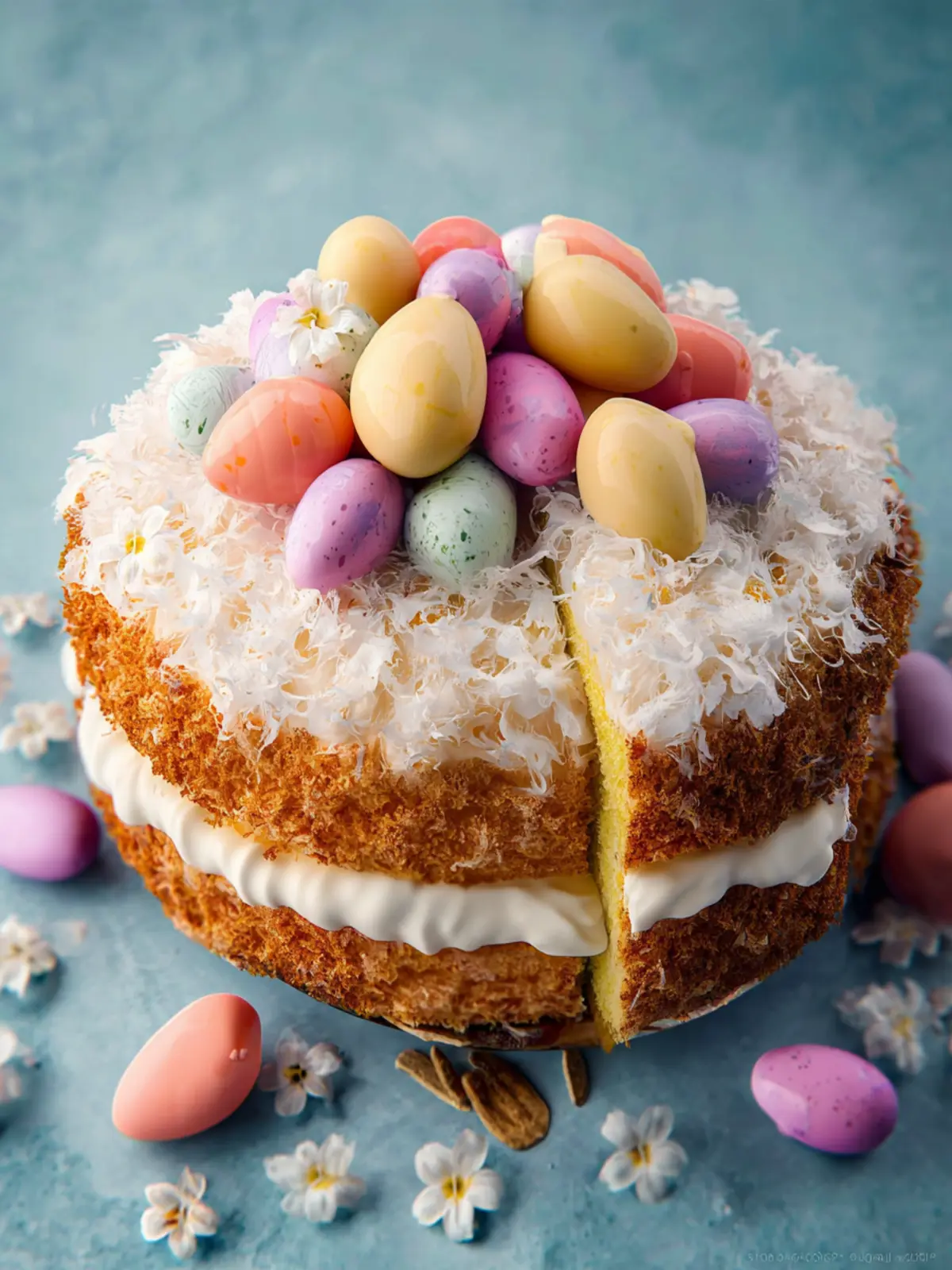
Creating a memorable Easter Cake is all about using the right ingredients that enhance both flavor and visual appeal. Each component plays a crucial role in crafting that perfect celebration dessert.
-
Flour: For this recipe, I opt for all-purpose flour as it provides a great structure. If you’re looking for a gluten-free option, several 1:1 gluten-free flour blends work just as well!
-
Sugar: I use granulated sugar for sweetness, and a touch of powdered sugar for dusting the top before serving. The powdered sugar gives that picturesque finish that screams “celebration.”
-
Butter: The richness of melted butter adds incredible flavor and moisture to the Easter Cake. I recommend using unsalted butter so you can control the added saltiness.
-
Eggs: Fresh large eggs are crucial for creating that lovely rise and fluffy texture. They not only bind the ingredients but also bring a beautiful yellow hue to the cake.
-
Baking Powder: This is my secret weapon for a light and airy cake. It ensures the cake rises beautifully, making it pleasingly fluffy.
-
Vanilla Extract: A splash of pure vanilla extract elevates the flavor, adding warmth and depth. You won’t believe the difference it makes!
-
Milk: Whole milk ensures the cake stays moist, giving it a tender crumb that pairs perfectly with frosting or whipped cream.
With these simple yet essential ingredients, your Easter Cake will be a delightful centerpiece for your celebrations!
Why You’ll Love This Easter Cake
Easter Cake is not just a dessert; it’s a centerpiece that brings loved ones together. Picture this: after a day of egg hunts and family gatherings, everyone gathers around the table, eyes sparkling with anticipation as this beautiful cake steals the show. The vibrant layers and delightful scents fill the air, creating an atmosphere of happiness and nostalgia.
Flavors That Celebrate Spring
Spring is all about renewal, and this cake perfectly embodies that spirit with its fresh and bright flavors. The use of citrus zest and fragrant vanilla makes each bite a burst of joy. It’s not overly sweet, allowing the natural flavors of the ingredients to shine through, making it suitable for both kids and adults alike.
Perfect for Any Gathering
Whether you’re hosting a festive brunch or attending a potluck, this Easter Cake is versatile enough for any occasion. Its stunning appearance will wow your guests, while its scrumptious taste will encourage second helpings, creating a memorable dessert experience for everyone at the table.
A Tradition Worth Starting
By making this Easter Cake part of your holiday traditions, you’re not just baking; you’re creating memories. Picture family members participating in the decoration process, infusing their personality into each layer. It’s more than just a recipe—it’s about gathering, sharing, and cherishing those sweet moments.
Embrace the joy of Easter with this cake that’s sure to become a loved tradition in your home!
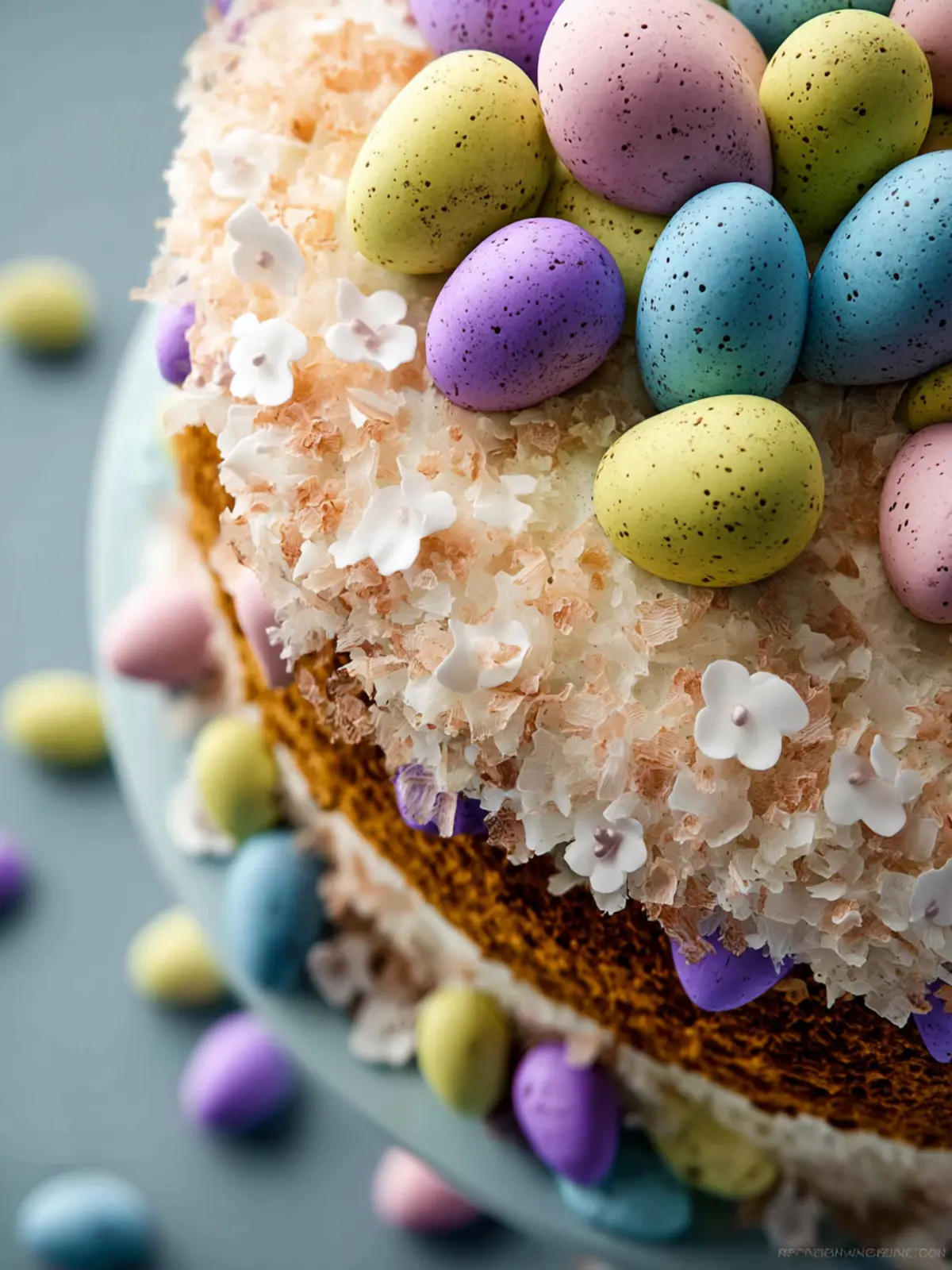
Tips for Making the Perfect Easter Cake
Creating the perfect Easter cake is more than just following a recipe; it’s about infusing each element with joy and creativity. Here are some essential tips to elevate your cake:
Choose the Right Ingredients
Using high-quality ingredients significantly enhances your cake’s flavor. Fresh eggs are crucial — they make a noticeable difference in richness and moisture. Opt for unsalted butter, as it gives you better control over the saltiness of your cake.
Don’t Rush the Mixing
Take your time while mixing your ingredients. Cream the butter and sugar thoroughly until it’s light and fluffy. This step helps to incorporate air, leading to a lighter cake texture. Remember, patience is key!
Layer it Right
If you’re making a layered Easter cake, it’s essential to ensure each layer is level. A serrated knife works wonders for trimming the tops of your cakes to achieve even layers. This not only makes for a beautiful presentation but also ensures that each slice is delightful.
Decorate with Finesse
For the final touch, don’t shy away from creative decorations. Whether you opt for pastel colors or whimsical designs, edible flowers or colorful sprinkles can bring a festive cheer to your cake. Make this cake the center of attention at your Easter celebration!
By keeping these tips in mind, you’re well on your way to mastering the art of making the perfect Easter cake. Happy baking!
Time Details for Easter Cake
Easter Cake is a delightful centerpiece for your holiday table, and knowing the timing can make your baking experience enjoyable and stress-free.
Preparation time
To get started, you’ll need about 20 minutes to gather and measure your ingredients, as well as to prepare your cake pans. This part is important; take your time to ensure everything is ready for a smooth baking process.
Baking time
Once everything is prepped, the actual baking will take around 30 to 35 minutes. You’ll want to keep an eye on it to achieve that perfect golden brown top.
Total time
In total, you should plan for approximately 1 hour for this Easter Cake. This includes the preparation and baking time, making it a manageable yet rewarding project to brighten up your Easter celebrations.
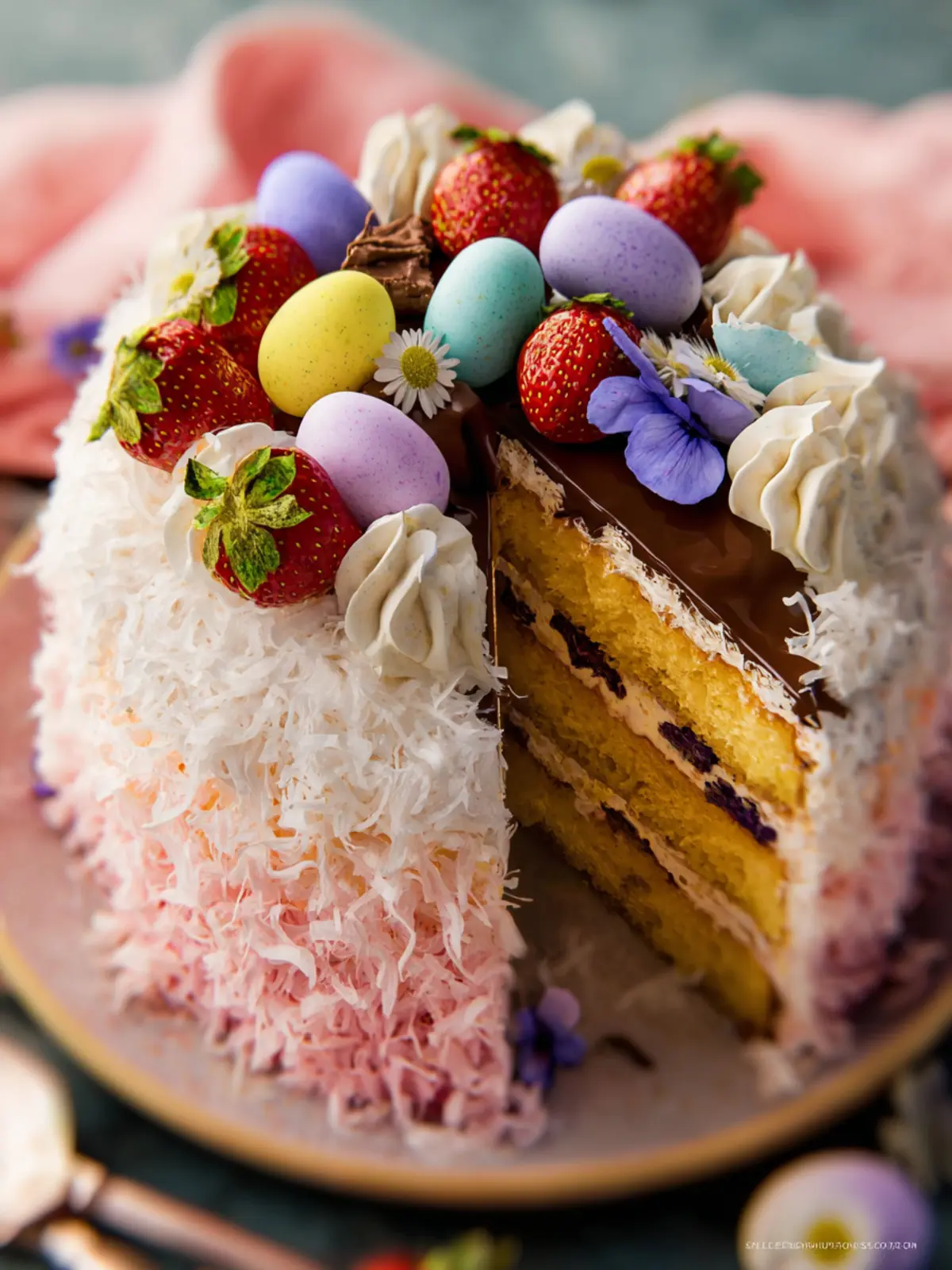
Nutritional Information for Easter Cake
Every slice of Easter Cake is not only a treat for the eyes but also a delightful combination of flavors that carries its own nutritional benefits. With the festive season urging celebrations, understanding its nutritional components helps you savor each bite without guilt.
Calories
A standard slice of Easter Cake packs approximately 290 calories. This makes it a reasonable indulgence for a special occasion, allowing you to enjoy a slice without straying too far from your dietary goals.
Protein
In terms of protein, each serving contains about 4 grams. While it may not be a protein powerhouse, it offers just enough to complement your festive meal, especially when paired with a protein-rich side or beverage.
Sodium
When it comes to sodium, our Easter Cake recipe contains around 180 mg per slice. This level is moderate, making it a suitable choice for those who are mindful of their sodium intake, allowing for joyful celebrations without worry.
Indulging in this delightful cake means creating memories, and knowing its nutritional breakdown only enhances the enjoyment!
FAQs about Easter Cake
Easter Cake holds a special place in many of our hearts, standing as a sweet centerpiece at gatherings filled with love and joy. Whether it’s a family tradition or a new adventure in baking, you might find yourself with questions. Here are some common queries to help you navigate your Easter Cake journey with ease.
How can I make my Easter Cake even more festive?
To elevate the festive spirit of your Easter Cake, consider these fun ideas:
- Decorate with Bright Colors: Use pastel-colored frosting, edible glitter, or sprinkle colorful candy decorations, like mini chocolate eggs or jelly beans, on top.
- Themed Toppers: Customize your cake with Easter-themed toppers, like bunnies or chicks, to add a playful touch and enhance its visual appeal.
- Layer it Up: Consider making a multi-layer cake with varying flavors, or alternating batters to create a marbled effect that’s equally pleasing to the eye and the palate.
What’s the best way to store leftover Easter Cake?
To keep your Easter Cake fresh, it’s essential to store it properly:
- Room Temperature: If you plan to eat it within a couple of days, simply cover it with plastic wrap or place it in an airtight container to keep it moist.
- Refrigeration: For longer storage, keep it in the fridge for up to a week. Ensure it’s wrapped to prevent it from absorbing any unwanted odors.
- Freezing: If you need to store it longer, slice it into pieces and freeze in an airtight container. It can last for up to three months, and you can thaw individual pieces as needed.
Can I modify the recipe for dietary restrictions?
Absolutely! Easter Cake is highly adaptable:
- Gluten-Free: Swap all-purpose flour for a gluten-free blend that measures cup-for-cup.
- Vegan Options: Substitute eggs with flaxseed meal mixed with water or applesauce, and use plant-based butter or oil.
- Reduced Sugar: Try using natural sweeteners like honey or maple syrup to lower the sugar content while still enjoying a delightful taste.
With these tips, your Easter Cake will not only be delicious but will also cater to everyone’s preferences and dietary needs!
Conclusion on Easter Cake
As the spring flowers bloom and festivities fill the air, the Easter Cake stands out as a symbol of joy and celebration. This cake not only brings delight to your taste buds but also fosters a sense of togetherness during Easter gatherings. Whether you’re sitting down for a family dinner or hosting friends for brunch, this moist, flavorful cake is sure to impress. Remember, the secret ingredients and careful crafting you put into your Easter Cake will create cherished memories with loved ones. So roll up your sleeves, get baking, and share the sweet taste of springtime joy at your next celebration!
Print
Lemon Coconut Bundt Cake
- Total Time: 1 hour 35 minutes
- Yield: 12 servings 1x
- Diet: Vegetarian
Description
This Lemon Coconut Bundt Cake is a moist and flavorful dessert, perfect for any occasion.
Ingredients
Scale
- 3 cups (360g) cake flour (spooned & leveled)
- 3 teaspoons baking powder
- 1/2 teaspoon baking soda
- 1/2 teaspoon salt
- 1 cup (16 Tbsp; 226g) unsalted butter, softened to room temperature
- 1 and 3/4 cups (350g) granulated sugar
- 1 heaping Tablespoon lemon zest
- 1/2 cup (120ml) vegetable oil
- 5 large eggs, at room temperature
- 2 teaspoons pure vanilla extract
- 1 teaspoon coconut extract
- 1/2 cup (120g) full-fat sour cream or plain yogurt, at room temperature
- 2/3 cup (180ml) whole milk, at room temperature
- 1/4 cup (60ml) fresh lemon juice
- 1 cup (100g) sweetened flaked/shredded coconut
- 8 ounces (226g) full-fat brick cream cheese, softened to room temperature
- 1/4 cup (4 Tbsp; 56g) unsalted butter, softened to room temperature
- 2 cups (240g) confectioners’ sugar
- 1–2 Tablespoons (15–30ml) fresh lemon juice
- 1 teaspoon pure vanilla extract
- 1 and 1/2 cups (150g) sweetened flaked/shredded coconut
- 1–2 cups candy-coated chocolate eggs, such as Cadbury Mini Eggs
Instructions
- Preheat oven to 350°F (177°C). Generously grease a 10- to 12-cup Bundt pan.
- Whisk the cake flour, baking powder, baking soda, and salt together in a medium bowl. Set aside.
- In a large bowl using a handheld or stand mixer fitted with a paddle attachment, beat the butter on high speed until smooth and creamy, about 1 minute. Add the granulated sugar and lemon zest and beat on high speed for 3 minutes until creamed. Scrape down the sides and up the bottom of the bowl as needed. Add the oil and mix on medium speed to combine. With the mixer running on low speed, add the eggs one at a time, then add sour cream and the vanilla and coconut extracts. Beat on medium-high speed until combined. Scrape down the sides and up the bottom of the bowl as needed.
- Whisk the lemon juice and milk together. With the mixer running on low speed, add the dry ingredients in 3 additions, alternating with the lemon-milk mixture and mixing after each addition until just incorporated. Do not over-mix. The batter will be thick and fluffy. Fold in the coconut.
- Spoon/pour evenly into Bundt pan and bake for 55–65 minutes, or until the edges are golden brown. If you find the top is browning too quickly, loosely cover with aluminum foil about halfway through bake time.
- Cool cake for 2 hours in the pan set on a cooling rack, and then invert onto a cake stand or serving plate. Cool completely before decorating.
- In a large bowl using a handheld or stand mixer fitted with a whisk or paddle attachment, beat the cream cheese and butter together on medium speed until smooth, about 2 minutes. Add confectioners’ sugar, 1 Tablespoon lemon juice, and vanilla extract with the mixer running on low. Increase to high speed and beat for 3 minutes. Add 1 more Tablespoon of lemon juice to thin out, if desired. Taste. Add a pinch of salt if desired.
- Using an icing spatula or a knife, frost the cooled Bundt cake. Top with sweetened flaked/shredded coconut. Fill the hole in the center of the cake with candy-coated chocolate eggs. Serve immediately or refrigerate until ready to serve, up to 24 hours. If the cake has been refrigerated for longer than an hour, let it sit out at room temperature for about 30 minutes before serving, to soften up a bit.
- Cover leftover cake tightly and store in the refrigerator for up to 5 days.
Notes
- Always let the cake cool completely before frosting.
- This cake can be kept in an airtight container in the refrigerator for up to 5 days.
- If you want a thicker frosting, reduce the amount of lemon juice added.
- Prep Time: 30 minutes
- Cook Time: 65 minutes
- Category: Dessert
- Method: Baking
- Cuisine: American
Nutrition
- Serving Size: 1 slice
- Calories: 400
- Sugar: 30g
- Sodium: 150mg
- Fat: 25g
- Saturated Fat: 10g
- Unsaturated Fat: 12g
- Trans Fat: 0g
- Carbohydrates: 45g
- Fiber: 1g
- Protein: 5g
- Cholesterol: 80mg