Follow Me On Social Media!

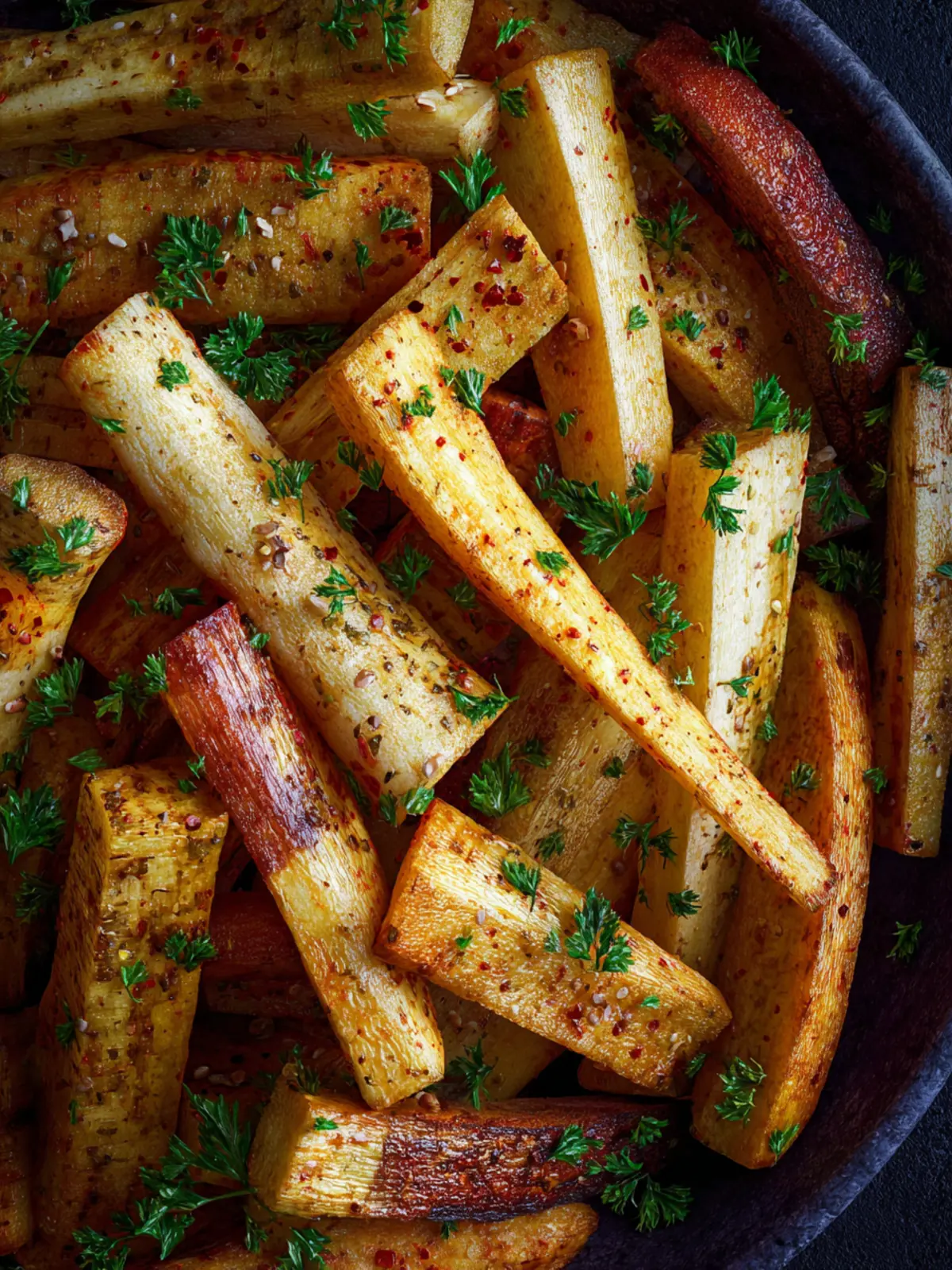
Roasted Parsnips: Irresistibly Sweet & Savory Delight!

Introduction to Roasted Parsnips
When you take that first bite of roasted parsnips, it’s as if you’ve uncovered a hidden gem in your kitchen. These golden, caramelized roots not only bring a delightful sweetness to your plate but also elevate your meals to a whole new level. Once relegated to the sidelines as just a humble vegetable, the parsnip is now making a well-deserved comeback, and for good reason.
Why roasted parsnips are a game changer in your kitchen
The beauty of roasted parsnips lies in their simplicity and versatility. With just a few ingredients and minimal effort, you can create a dish that dazzles guests and warms your spirit. Here are a few reasons why these delightful roots should be in your meal rotation:
-
Natural sweetness: Roasting brings out the natural sugars in parsnips, creating a delightful caramelization that makes each bite a sweet experience. Whether you’re serving them as a side to a warm roast or tossing them into a salad, that sweetness adds depth to any dish.
-
Nutrition powerhouse: Parsnips are not just tasty; they’re packed with nutrients. They’re an excellent source of vitamins C and K, folate, and dietary fiber. Adding them to your meals is a delicious way to boost your nutrition.
-
Easy to prepare: There’s no need for complicated techniques here. Simply peel, chop, and toss with your favorite seasonings—olive oil, salt, and pepper work wonders. Pop them in the oven, and let the heat do the rest of the work while you focus on other parts of your meal.
-
Adaptable to flavors: Roasted parsnips are a blank canvas. You can experiment with various seasonings—think thyme, rosemary, or garlic—to match any cuisine or suit your personal taste.
When you’re ready to take your culinary skills up a notch, giving roasted parsnips a chance is a no-brainer. Not only will they captivate your taste buds, but they may also just become your next kitchen staple!
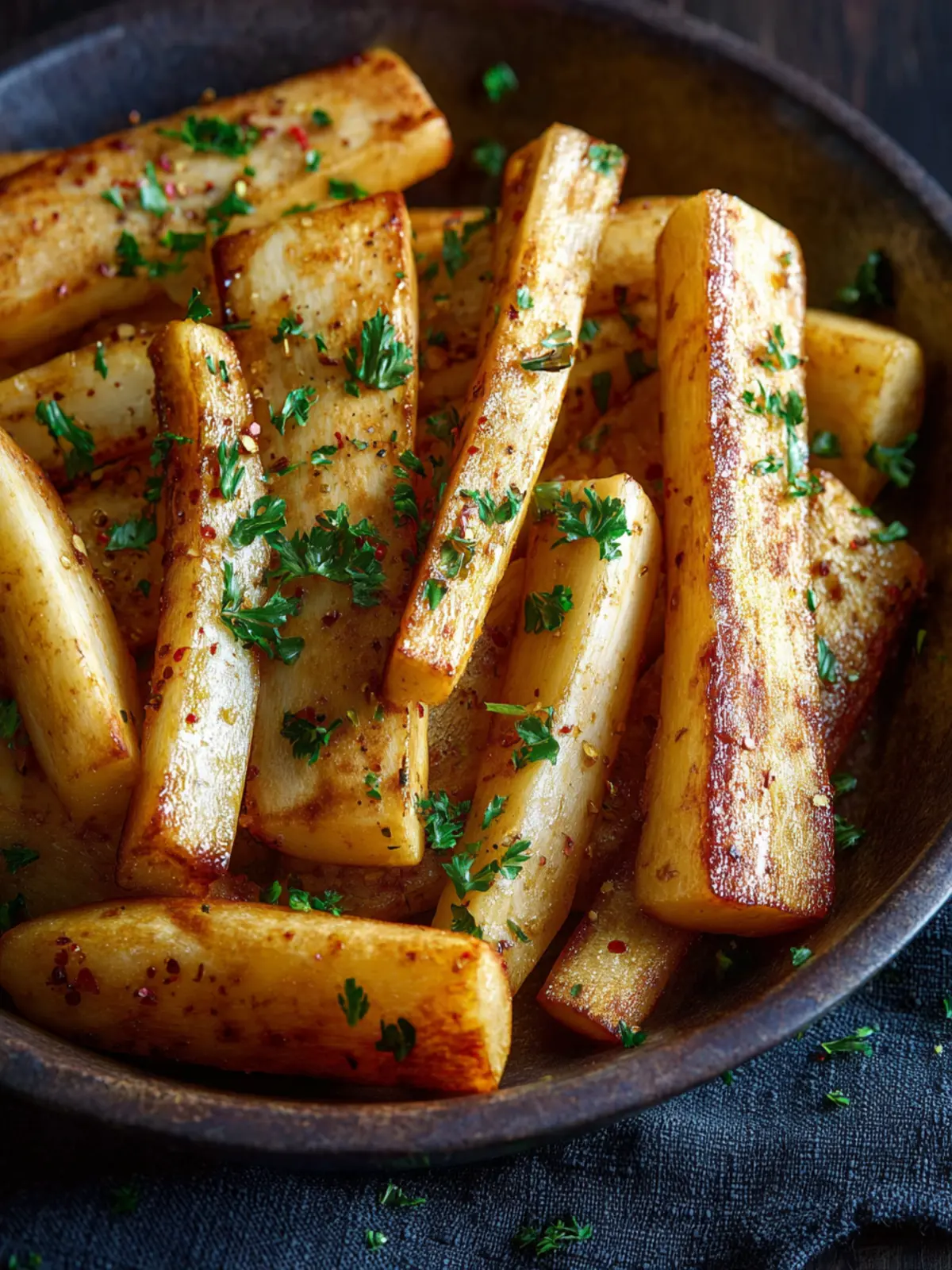
Key Ingredients for Roasted Parsnips
Roasted parsnips offer a unique way to enjoy this often-overlooked root vegetable, bringing out its natural sweetness and earthy flavor. To create the most delightful roasted parsnips, let’s dive into the essential ingredients that elevate this dish.
-
Parsnips: The star of the show! I recommend using fresh, firm parsnips that are creamy-white in color. Look for ones that feel heavy for their size since these generally indicate a sweet, tender flesh. Gently scrape off the skin for a smoother finish that maximizes flavor.
-
Olive Oil: A generous drizzle of high-quality extra virgin olive oil is key. It not only helps in achieving that beautiful caramelization but also enhances the parsnips’ nutty taste. Alternatively, melted butter can add a richer flavor profile.
-
Salt and Pepper: Don’t underestimate the power of seasoning! A sprinkle of sea salt and cracked black pepper balances the sweetness of the parsnips and is essential for bringing all the flavors together.
-
Herbs and Spices: Fresh thyme or rosemary adds a lovely aromatic quality. If you enjoy a touch of warmth, a dash of ground cumin or smoked paprika can take your roasted parsnips to new heights.
Mastering the art of roasted parsnips doesn’t require a ton of ingredients, but focusing on quality and freshness can truly make all the difference!
Why You’ll Love This Recipe
Roasted parsnips are not just a side dish; they are a culinary revelation that brings warmth and comfort to your meals. Imagine lifting the lid off the roasting pan and inhaling that sweet, earthy aroma! That’s what you get when you roast these exquisite root vegetables to caramelized perfection.
Embracing the simplicity of roasted parsnips allows you to enjoy their natural sweetness while adding a delightful crunch. Transparency in cooking is essential; using fresh, seasonal parsnips makes all the difference in flavor. Their creamy texture complements just about any dish, from hearty winter stews to vibrant salads, making them incredibly versatile.
What’s more, roasting promises an effortless cooking experience. With just a few spices to sprinkle on, you’ll find yourself with a dish that dazzles the taste buds. The best part? This recipe is completely approachable—even if you think you’re not great in the kitchen! It’s a great opportunity to bring friends together around a table, excited to share a delicious meal.
Once you discover the joy of roasted parsnips, you won’t just love them; you’ll crave them. Grab those fresh parsnips and get ready to impress yourself!
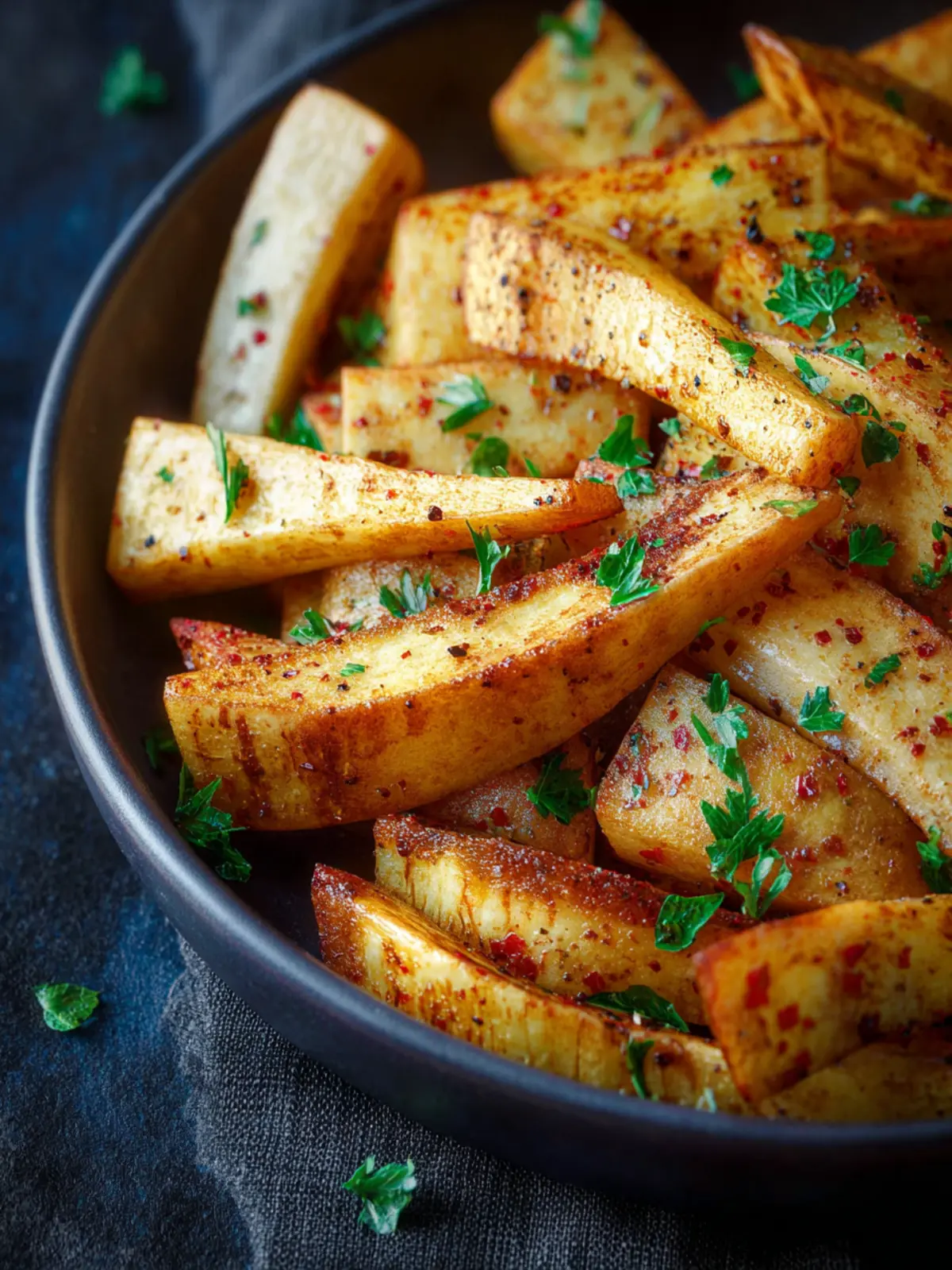
Variations of Roasted Parsnips
Roasted parsnips are a delightful addition to any meal, but who says you have to stick to just one flavor profile? Let your imagination run wild and experiment with these delicious variations that can elevate your roasted parsnips to new culinary heights.
Honey and Thyme Roasted Parsnips
For a touch of sweetness, drizzle your parsnips with honey before roasting. A sprinkle of fresh thyme adds a fragrant note that beautifully complements the earthy taste of parsnips. The honey caramelizes in the heat of the oven, creating a sweet crust while keeping the insides tender.
Garlic and Herb Infused Roasted Parsnips
For the garlic lovers among us, toss minced garlic and finely chopped rosemary with olive oil and salt before adding it to the parsnips. The savory pungency of garlic mixed with the resinous aroma of rosemary transforms your roasted parsnips into a flavor-packed side dish that pairs perfectly with meats or even as part of a vegetarian platter.
Spicy Roasted Parsnips
If you crave some heat, add a pinch of cayenne pepper or paprika to your seasoning mix. A touch of spice contrasted with the natural sweetness of the parsnips creates a building complexity that will spice up any dinner table.
With these varied takes on your roasted parsnips, you’re sure to keep your meals interesting while enjoying a healthy, flavorful side dish!
Cooking Tips and Notes for Roasted Parsnips
Roasted parsnips are a delightful side dish that can turn any meal into a celebratory feast. The sweetness of these root vegetables shines through when they are roasted to perfection, adding a unique twist to your table. To help you achieve the best results, here are some essential cooking tips and notes centered around the star ingredient.
Choosing the Right Parsnips
Selecting fresh parsnips is key to a delicious end result. Look for firm, smooth-skinned parsnips that are free of blemishes. Larger parsnips may have a woody core, so aim for medium-sized ones for consistency in texture and sweetness.
Preparing for Roasting
Start with a simple yet effective prep method. Peel the parsnips to remove their outer layer and cut them into evenly sized pieces. This ensures they cook uniformly, avoiding any mushy or undercooked bits.
Seasoning and Flavoring Options
While olive oil and salt are a classic combination, don’t hesitate to experiment! Many chefs swear by adding a drizzle of honey or maple syrup before roasting to elevate the sweetness. Fresh herbs like thyme or rosemary pair beautifully with roasted parsnips, enhancing their earthy flavor.
Optimal Cooking Temperature
When roasting, high heat is your ally. Aim for a temperature around 425°F to achieve that perfect golden-brown exterior while keeping the insides tender and flavorful.
Incorporating these tips will elevate your roasted parsnips from simple veggies to a show-stopping side dish that your guests won’t soon forget!
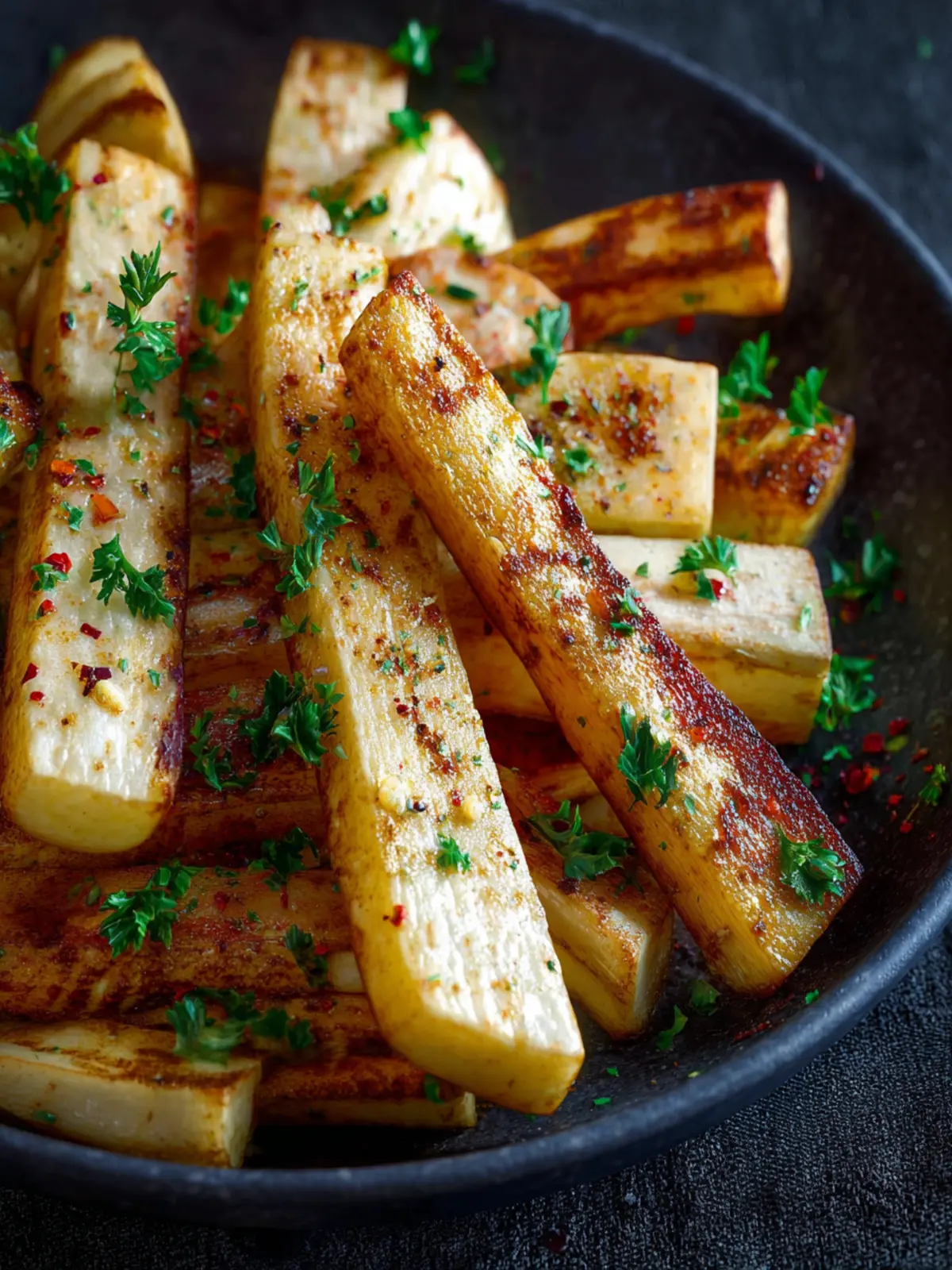
Serving Suggestions for Roasted Parsnips
Roasted parsnips bring a delightful sweetness and earthiness that can elevate any meal. Pairing them thoughtfully can greatly enhance their flavor and texture, making your dining experience memorable.
Complementing your Roasted Parsnips
-
With Protein: Roasted parsnips shine alongside roasted chicken or a herb-crusted pork loin. Their sweet flavor balances well with savory meats, making for a complete and satisfying dish.
-
In a Salad: For a lighter option, toss your roasted parsnips into a fresh salad. Combine them with arugula, feta cheese, and a light vinaigrette for a refreshing contrast that highlights the parsnips’ natural sweetness.
-
Mixed with Other Vegetables: Combine roasted parsnips with carrots, beets, and Brussels sprouts for a colorful and nutritious side dish. The combination not only looks appealing but also provides a medley of flavors and textures.
A Perfect Finish
Finally, consider finishing your roasted parsnips with a sprinkle of fresh herbs, such as parsley or thyme, to bring a burst of freshness that brightens the dish. This easy addition can make all the difference in presentation and taste!
Time Breakdown for Roasted Parsnips
Preparing roasted parsnips can be a delightful experience, especially when you discover how simple it is to achieve that crispy, golden perfection! Here’s a quick guide to managing your time effectively when making this easy yet delicious dish.
Preparation Time
You’ll need about 15 minutes to get everything ready. This includes washing, peeling, and cutting the parsnips into uniform pieces. Don’t forget to preheat your oven during this time, setting it to 425°F (220°C) for optimal roasting.
Cooking Time
The cooking process takes approximately 30 to 35 minutes. This is the time it takes for the parsnips to become tender and develop that irresistibly crispy exterior. Remember to toss them halfway through for even browning!
Total Time
In total, you’re looking at around 50 minutes from start to finish. This makes roasted parsnips an excellent side dish for both weeknight dinners and special occasions! Enjoy the delightful aroma that fills your kitchen as they cook.
Nutritional Facts for Roasted Parsnips
When you dive into the world of roasted parsnips, you’re not just indulging in a delightful side dish; you’re also nourishing your body with wholesome goodness. Let’s break down the key nutritional facts that make roasted parsnips a fantastic addition to your meal prep.
Calories
A serving of roasted parsnips contains approximately 100 calories. This makes them a satisfying yet low-calorie option for those aiming to enjoy flavorful dishes without the extra calories.
Carbohydrates
Each serving of roasted parsnips packs about 26 grams of carbohydrates. These carbs are primarily derived from natural sugars and starches, providing a source of energy that is both wholesome and nutritious.
Fiber
One of the standout features of roasted parsnips is their fiber content, which is around 6 grams per serving. This dietary fiber aids digestion and helps keep you feeling full, making it a perfect choice for balanced meals.
Incorporating roasted parsnips into your diet not only enhances the flavor profiles of your dishes but also offers a bounty of nutritional benefits to support your health goals.
FAQs About Roasted Parsnips
Roasted parsnips bring a wonderful warmth and sweetness to any meal, and they’re more versatile than many realize! If you’re new to these delectable root vegetables, or just curious, let’s dive into some frequently asked questions.
Can I roast parsnips without olive oil?
Absolutely! While olive oil adds a lovely flavor and helps with frying, you can roast parsnips using alternatives. For a lighter option, you can use vegetable broth, which enhances the natural sweetness without adding additional fat. If you’re feeling adventurous, try rinsing the parsnips in balsamic vinegar or even maple syrup before roasting. Each method can bring out new dimensions in your roasted parsnips.
How do I store leftover roasted parsnips?
Leftover roasted parsnips can be stored easily. Make sure they’ve cooled completely, then place them in an airtight container. They can last in the fridge for about 3 to 5 days. Reheat them in the oven for best results; a quick toss in a pan will help restore some of that delightful crispiness!
What dishes pair well with roasted parsnips?
Roasted parsnips shine alongside a variety of dishes. They make a perfect side for hearty proteins like roasted chicken or lamb. For a vegetarian option, consider pairing them with quinoa or a warm grain salad. The earthy sweetness of roasted parsnips can elevate everything from winter casseroles to festive platters. Their charm is that they seamlessly fit into both simple weeknight dinners and special occasions alike.
Discover the joy of roasted parsnips and how they can enhance your culinary repertoire!
Conclusion on Roasted Parsnips
In concluding our adventure with roasted parsnips, it’s clear they transcend being mere side dishes. These sweet, earthy roots, when roasted to perfection, create a delightful contrast of crispy edges and tender centers. Pairing them with olive oil and your favorite herbs elevates their natural flavors, making them versatile companions for any meal. Shares of recipes and suggestions inspire creativity in the kitchen, inviting everyone to find joy in preparing simple yet profound ingredients. So, next time you’re seeking a hearty addition to your plate, remember the humble parsnip—it’s a nourishing choice that never fails to impress.
Print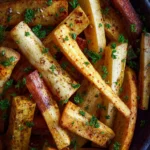
Roasted Parsnips
- Total Time: 40 minutes
- Yield: 4 servings 1x
- Diet: Vegetarian
Description
Deliciously roasted parsnips seasoned to perfection.
Ingredients
Scale
- 2 pounds parsnips (about 4–5 medium parsnips)
- 2–3 tablespoons olive oil
- 1/2 teaspoon salt
- 1/4 teaspoon pepper
- 1/2 teaspoon cinnamon (optional)
- 1/2 teaspoon coriander (optional)
- 1/4 teaspoon smoked paprika (optional)
- fresh orange juice (or champagne vinegar or white balsamic vinegar)
- 1 tablespoon fresh parsley, minced
Instructions
- Preheat the oven to 425F degrees.
- Peel the parsnips, cut them in half widthwise, and then cut each piece in half lengthwise. Chop each of these pieces into 1/2-inch wide strips.
- Toss with olive oil, salt, pepper, and optional spices.
- On a parchment-lined baking sheet pan, lay the parsnip strips out in a single layer.
- Bake at 425F for 20-25 minutes or until fork tender.
- Garnish with a squeeze of orange juice (or a splash of champagne vinegar or white balsamic vinegar) and sprinkle with fresh parsley.
Notes
- Ensure the parsnips are peeled thoroughly for the best flavor.
- Prep Time: 15 minutes
- Cook Time: 25 minutes
- Category: Side Dish
- Method: Roasting
- Cuisine: American
Nutrition
- Serving Size: 1 cup
- Calories: 150
- Sugar: 4g
- Sodium: 200mg
- Fat: 7g
- Saturated Fat: 1g
- Unsaturated Fat: 6g
- Trans Fat: 0g
- Carbohydrates: 20g
- Fiber: 5g
- Protein: 3g
- Cholesterol: 0mg